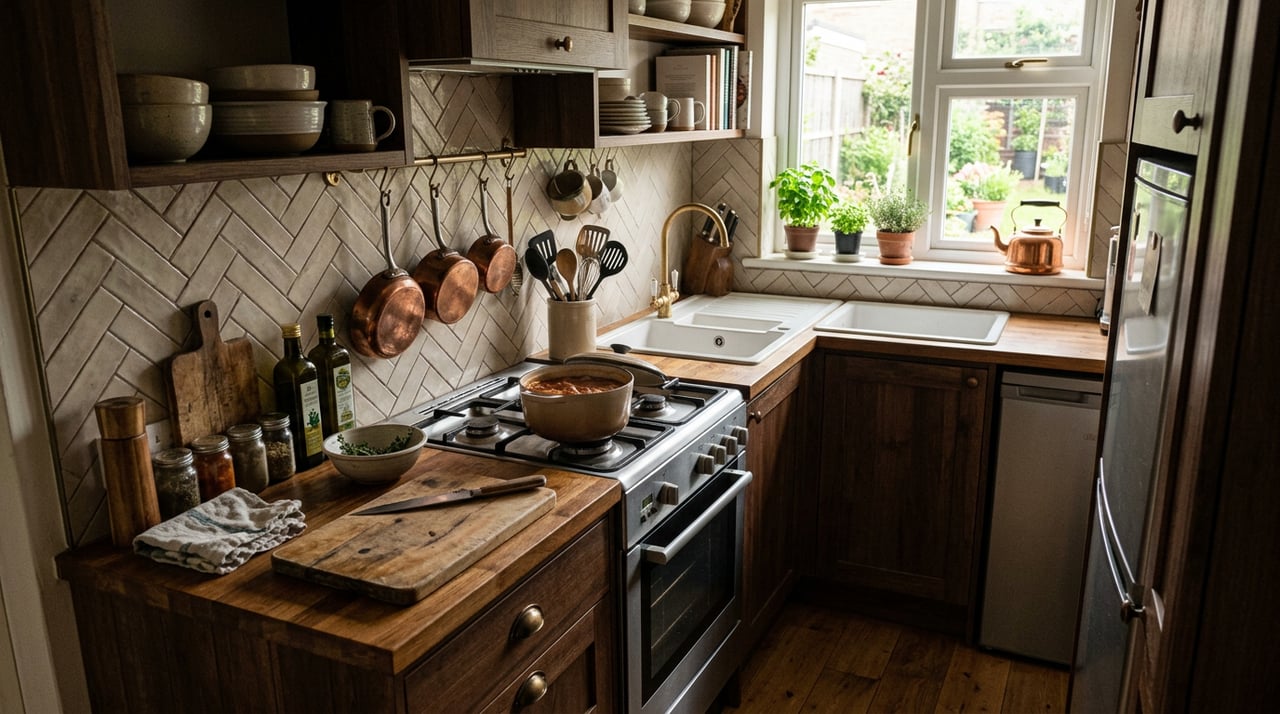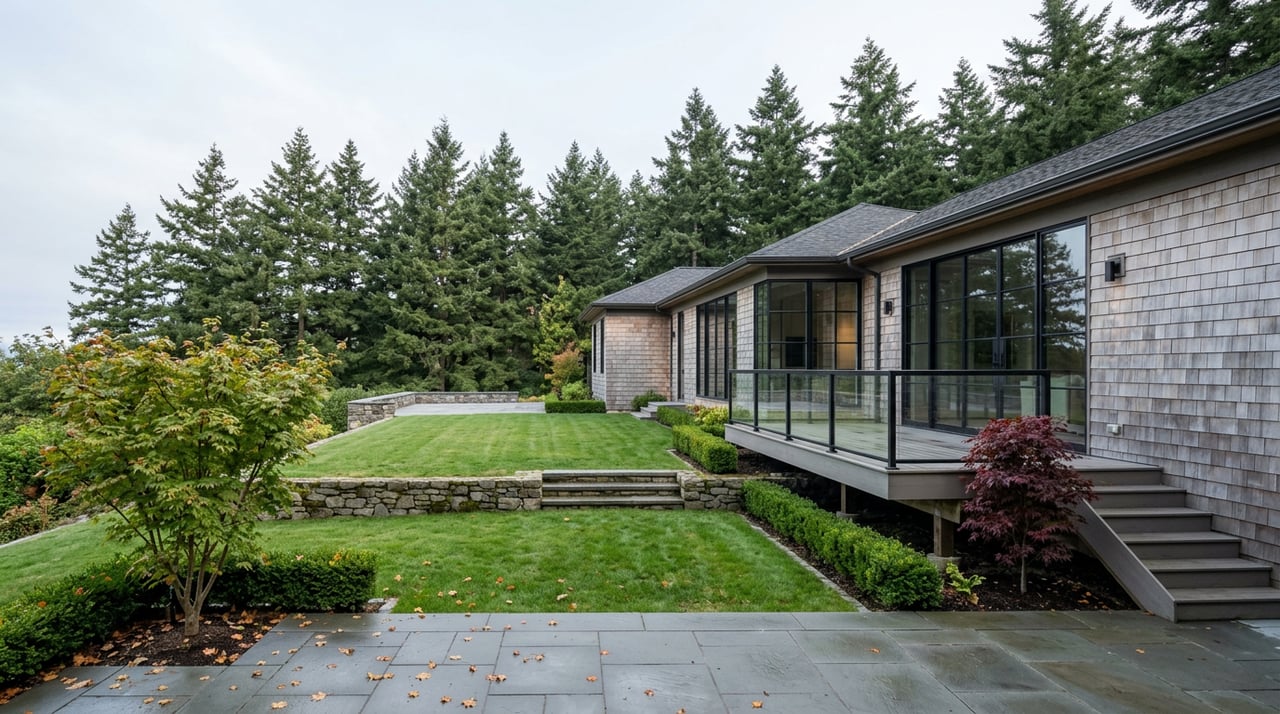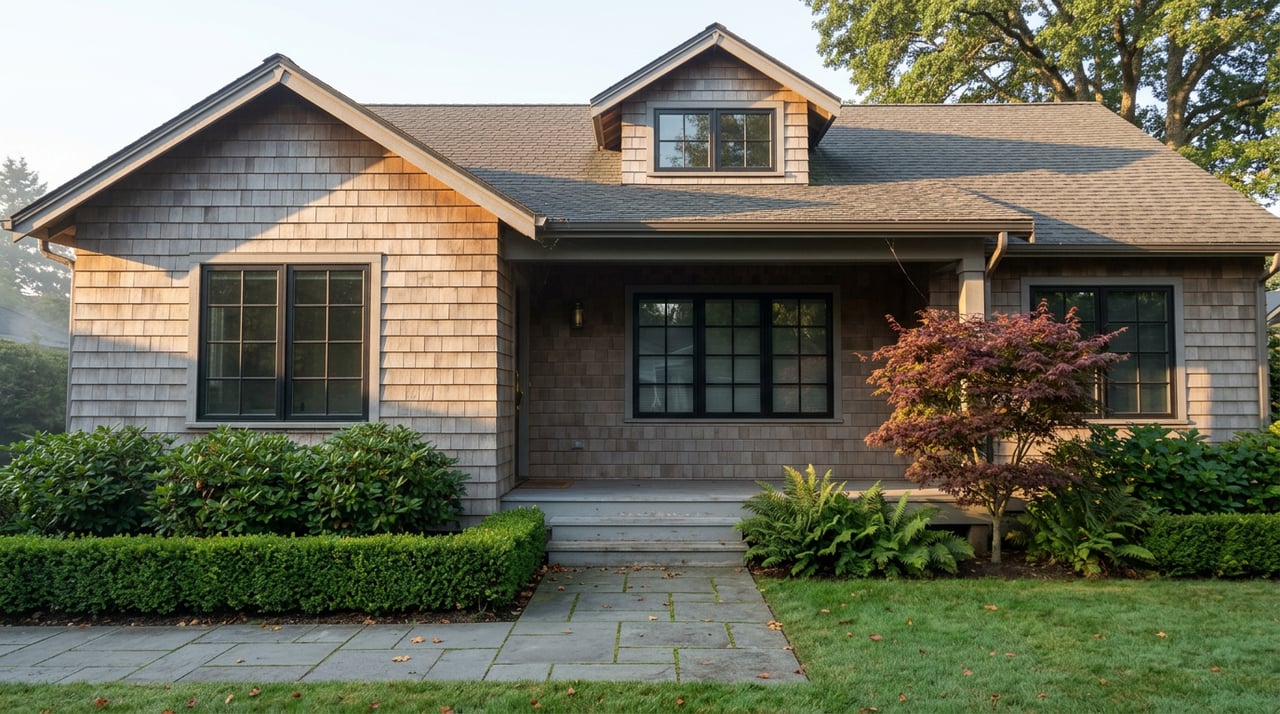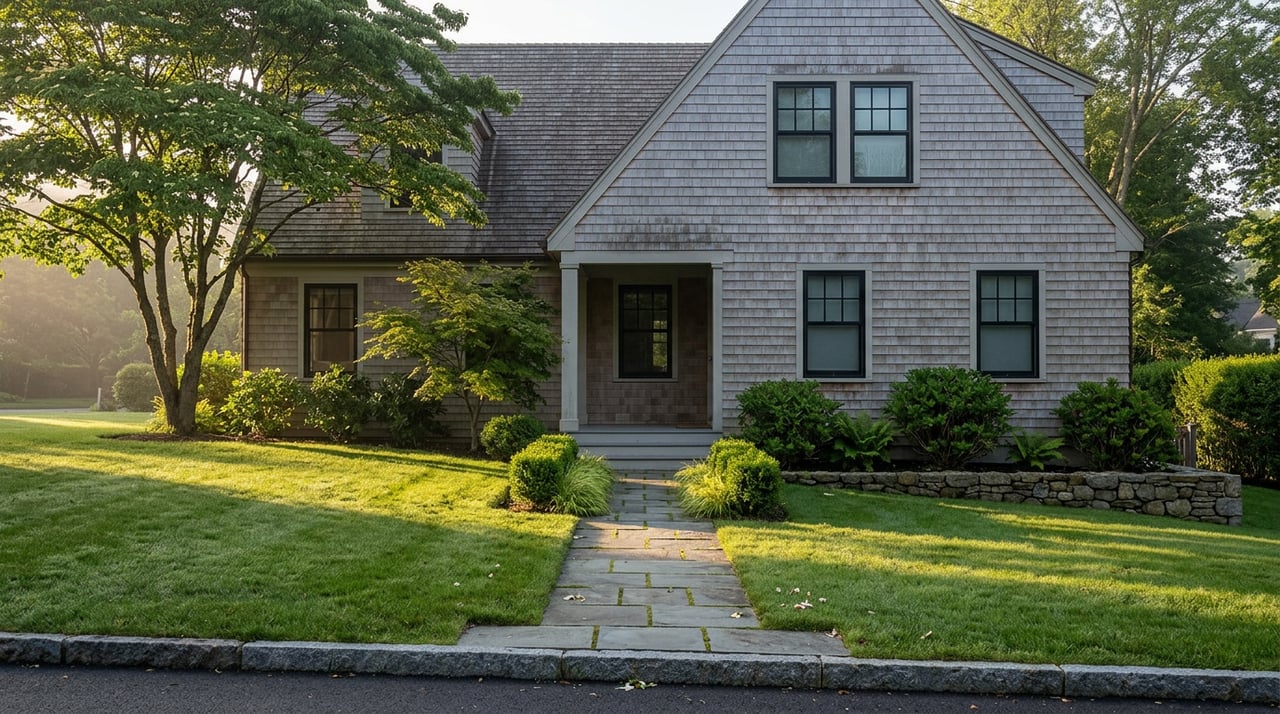
Thinking about opening up your kitchen, adding an ADU, or refreshing a bath in Edmonds? The permitting details can feel like a maze, especially if you are juggling designers, contractors, and your day-to-day schedule. The good news is that Edmonds offers a clear online process and has published what reviewers expect. In this guide, you will learn how to apply through the city’s portal, what the 2021 code update means for your plans, and how to set realistic timelines so your project stays on track. Let’s dive in.
Start with the right permit path
Before you sketch finishes or order windows, confirm which permits your scope will need. In Edmonds, common permit types include building, mechanical, plumbing, and demolition. Electrical permits may be handled separately through Washington State Department of Labor and Industries, so verify that with the city early.
Your best first step is a quick pre-application conversation with the City of Edmonds Permit Center or Building Division. Ask about submittal checklists, review timelines, and any local amendments that apply. A short call or email can save weeks later.
Use MyBuildingPermit to apply
Edmonds processes permits through the online MyBuildingPermit portal. You will create an account, select your permit type, upload plans, pay fees, track review comments, and schedule inspections in one place.
Typical online steps
- Create your portal account and start a new application for your scope, such as a kitchen remodel, addition, ADU, or reroof.
- Upload required documents. Expect to provide a site plan, floor plans, structural details when needed, energy code forms, mechanical and plumbing drawings, and product specifications.
- Pay intake or plan review fees as prompted by the portal.
- Complete intake. If items are missing, your submittal will be placed on hold and you will receive instructions to correct and resubmit.
- Respond to plan review comments. Building, planning, engineering, fire, and energy reviewers may each issue corrections through the portal. Revise and resubmit until approved.
- Receive permit issuance after all approvals and payment of final fees. Post the permit card on site as required.
- Schedule inspections through the portal and follow the required sequence through final inspection.
For platform guidance, explore the helpful resources on the MyBuildingPermit portal.
Smart submission tips
- Use the city’s submittal checklist for your permit type to prevent intake rejection.
- File related permits together, such as building, mechanical, and plumbing, to streamline review.
- Watch reviewer notes and reply quickly to keep your project moving.
What to include in your plans
A complete submittal reduces correction cycles and surprises. For most residential remodels in Edmonds, be ready with:
- Site plan showing property lines, setbacks, existing and proposed structures, driveway or parking, and utility connections.
- Existing and proposed floor plans with dimensions, room uses, window and door sizes, and required egress.
- Framing and structural plans when altering load-bearing elements, plus engineered foundations for additions or major structural changes.
- Energy code compliance documents for the 2021 code set, including envelope details, insulation values, window U-factors and SHGC, HVAC specifications, and duct sealing or testing plans.
- Mechanical and plumbing drawings with appliance specifications.
- Soils or geotechnical reports for steep slopes or expansive soils if the site warrants it.
- Special studies when applicable, such as arborist reports, critical areas, historic district approvals, or shoreline and floodplain documentation.
- Contractor information and licensing. Confirm whether your scope requires a licensed contractor.
2021 codes now in effect
Edmonds adopted the 2021 Washington and ICC code set with an effective date of March 15, 2024. If your permit is issued on or after that date, plan review and inspections will check your project against the 2021 provisions and any local amendments the city adopted. Projects permitted before that date typically proceed under the code in effect at issuance.
For many homeowners, the most noticeable changes are energy and ventilation requirements. You can expect higher insulation targets, tighter building enclosures, and more rigorous testing for HVAC and ducts. Whole-house ventilation and local exhaust in kitchens and bathrooms are emphasized. Depending on scope and location, you may also see fire safety provisions, potential sprinkler considerations for certain additions, and accessibility or path of travel reviews in specific cases.
If you want a state-level overview of the 2021 code set, the Washington State Building Code Council maintains summaries and amendments that jurisdictions adopt.
Inspections and realistic timing
Every project is different, but here are typical timing ranges in Edmonds based on scope and workload. Always confirm current estimates with the Permit Center when you apply.
- Simple permits, such as a reroof or water heater, can be processed in days to a couple of weeks.
- Moderate remodels, like a kitchen or bath update or a small addition, often see first review in 2 to 6 weeks. Plan for one or more correction cycles that add 1 to 3 weeks each.
- Complex projects, including large additions, significant structural work, or ADUs, commonly involve multiple disciplines and can take 4 to 8 or more weeks for initial review, with total permitting spanning several months.
Inspection schedules vary by season and demand. Many jurisdictions can offer next-day to multi-day windows, with longer waits in spring and summer. Keep your permit card posted and your contractor available on inspection days.
What can slow things down
- Missing or incomplete plans that trigger intake rejection.
- Historic district, shoreline, or critical area reviews.
- Structural engineering or additional calculations requested during review.
- Public works or utility coordination for driveways, sidewalks, or stormwater.
Ways to keep momentum
- Book a pre-application review to confirm permit types and submittal completeness.
- Include energy, structural, and site documentation in your initial package.
- Work with designers and engineers familiar with Edmonds’ reviewers and the 2021 code set.
- Consider phased permits only if the city recommends that approach for your project.
Who to contact before you apply
Start with the City of Edmonds Permit Center or Building Division for permit types, submittal requirements, fee schedules, and portal help. For zoning, setbacks, ADU rules, lot coverage, and critical areas, the Planning Division or a Senior Planner is your resource. For code interpretation, structural items, and inspection policy, connect with the Building Official or Chief Plans Examiner. If your project touches fire access or sprinklers, the Fire Marshal may be involved. Public Works or Engineering typically handle driveway, sidewalk, stormwater, and right-of-way permits.
Electrical permitting may be handled through Washington State L&I. Check the city first, then review state guidance from Washington State Department of Labor & Industries. If your property uses septic or you are converting to sewer, coordinate early with Snohomish County Public Health. You can find public health resources at Snohomish County Public Health.
Questions to ask at pre-application
- Which permits do I need for my scope, and are any handled by an outside agency such as L&I for electrical?
- Which submittal checklist applies to my project type, and what file formats and sizes are required in the portal?
- Which code edition and local amendments apply to my project, and can you confirm the 2021 adoption effective date?
- What is the current estimate for first review and typical inspection turnaround?
- Will planning, engineering, or fire review my submittal, and should I expect any outside reports such as geotech or arborist studies?
- Are pre-application or design review meetings required or recommended, and what fees apply?
Common pitfalls to avoid
- Starting construction before permits are issued. This can lead to stop work orders, fines, and costly rework.
- Submitting plans without energy documentation. Energy measures affect materials and product selection, especially windows, insulation, and HVAC.
- Overlooking separate permits through other agencies, such as electrical.
- Ignoring local amendments or historic district requirements. Design changes after review can add time and cost.
- Assuming the contractor will manage everything. Decide who is responsible for the permit and verify licensing.
Special situations in Edmonds
- Properties near steep slopes, wetlands, streams, or in shoreline or floodplain areas can require specialized studies and additional reviews.
- Historic or conservation districts may require design review and approvals before building permits.
- ADUs and accessory structures often have specific zoning and parking rules. Verify setbacks, size limits, and utility connections early.
- Work in the public right-of-way, such as driveway aprons or sidewalk repairs, typically needs a separate public works permit.
Your step-by-step checklist
- Step 1: Define scope and gather basics, including site photos and rough sketches.
- Step 2: Visit the city’s permit pages and open MyBuildingPermit to review submittal checklists and fee schedules.
- Step 3: Contact the Permit Center for a pre-application discussion to confirm permit types and approvals.
- Step 4: Hire licensed pros when required, then prepare complete plans and energy compliance documents aligned with the 2021 code.
- Step 5: Submit through the portal, pay fees, and respond quickly to reviewer comments.
- Step 6: After issuance, post the permit, schedule inspections through the portal, and follow the required sequence.
- Step 7: Close out with final approvals and keep your permit records for resale and disclosure.
Planning to sell later
Permitted work with final approvals helps protect value and buyer confidence. Clear documentation reduces surprises during inspection and appraisal, and it makes disclosure easier when you decide to list. If you are weighing which upgrades will best support resale in Edmonds, align your scope and finishes with the 2021 code and the market in your neighborhood.
Ready to move forward?
If you want a second set of eyes on scope, timing, and ROI before you file, I am happy to help you align your renovation with your long-term plans. When you are ready to position your home for the market, I can coordinate pre-list improvements, staging, and presentation so you capture full value. Work with Unknown Company to plan your next step with confidence.
FAQs
Do I need a permit for a kitchen remodel in Edmonds?
- Many kitchen remodels require building, mechanical, and plumbing permits. Confirm your specific scope with the City of Edmonds Permit Center before you begin.
Which building code applies to my project in Edmonds?
- Projects permitted on or after March 15, 2024 must comply with the 2021 code set as adopted by the city. Projects permitted before that date typically follow the prior code in effect at issuance.
How long does permit review take for a small remodel in Edmonds?
- For a moderate kitchen or bath remodel, plan for 2 to 6 weeks for first review, plus 1 to 3 weeks for any correction cycles. Timelines vary with workload and completeness of your submittal.
Where do I apply and schedule inspections for Edmonds permits?
- Use the MyBuildingPermit portal to apply, upload plans, pay fees, track review comments, and schedule inspections.
Who handles electrical permits for Edmonds projects?
- Electrical permits may be handled through Washington State L&I. Verify with the city first, then review guidance from Washington State Department of Labor & Industries.
What documents are usually required for a residential remodel submittal?
- Expect to provide a site plan, floor plans, structural information if needed, energy code compliance documents, mechanical and plumbing drawings, product specs, and any special reports relevant to your site.
What factors can delay my permit or inspection in Edmonds?
- Incomplete submittals, added reviews for historic or critical areas, required engineering, and public works approvals can extend timelines. Respond quickly to reviewer comments to avoid additional delays.