Why do two Magnolia homes that look alike on paper sell for very different prices? If you are pricing your Magnolia home or shopping for one, that gap can feel confusing. The truth is that micro-markets inside Magnolia do a lot of the work. In this guide, you will learn how the peninsula’s distinct pockets shape value, what truly drives price, and a simple way to read comps with confidence. Let’s dive in.
Magnolia at a glance
Magnolia is a large Seattle peninsula with three official neighborhood sections: Lawton Park, Briarcliff, and Southeast Magnolia, according to the Seattle City Clerk’s neighborhood atlas. You can verify those boundaries in the city’s resource for neighborhood maps. See the official neighborhood list.
Discovery Park, Seattle’s largest park, occupies a big portion of the peninsula and directly influences nearby property values and overall land supply. Park adjacency, trails, beaches, and open space make this a lasting amenity. Explore the scale and features on the Discovery Park page from Seattle Parks & Recreation.
For broad context, neighborhood medians place Magnolia well above the Seattle city median. A recent portal snapshot (Redfin, Jan 2026) showed Magnolia’s median sale price around $1.17M versus about $795k citywide. Use that only for orientation. The real story is inside the micro-markets.
Five micro-markets that move price
Magnolia Village and Southeast Magnolia
This is the community core. The Village offers walkable services like cafés, restaurants, and groceries, plus seasonal streetscape energy. A quick overview of the area is available in this Magnolia neighborhood guide. Housing types range from vintage single-family homes to small condos and townhomes.
Price implications: Convenience and shorter drives to downtown draw steady demand. Most street-front homes here do not have the bluff or wide water views that earn the steepest premiums, so prices span a wide range by product type and renovation level.
West-facing bluff and view corridors
Homes along Magnolia’s western slopes and headland edges capture Puget Sound, Olympic Mountains, and sometimes downtown skyline views. Lots can be sloped, with terraces and view-oriented floor plans.
Price implications: View quality is the single biggest incremental driver in coastal settings. Academic research in the Pacific Northwest shows that high-quality ocean or wide-water views can command substantial premiums that vary by view type and quality. For accuracy in Magnolia, base any estimate on local paired sales. See an overview of the evidence in Benson et al., Pricing Residential Amenities: The Value of a View.
Discovery Park fringe
Blocks that back to, or sit within a short walk of, Discovery Park benefit from privacy, open-space outlooks, and daily recreation access. The park also reduces the amount of buildable land on the peninsula, which can support values over time.
Price implications: Proximity to a major urban park is a lifestyle amenity many buyers will pay for, even without water exposure. Confirm the size and amenities on the Discovery Park page.
Interbay and Smith Cove edges
Magnolia’s eastern and southeastern edges sit near the BNSF rail corridor, Terminal 91, and other industrial or commercial zones across the tracks. These locations shorten commutes to Interbay and key transit corridors. For boundary context, review Magnolia’s location and edges on Wikipedia.
Price implications: Rail and port adjacency introduce noise, traffic, and visual impacts that appraisers adjust for. Expect lower prices than comparable homes on quiet interior or bluff blocks, and choose comps with similar externalities.
Quiet interior pockets in Lawton Park and Briarcliff
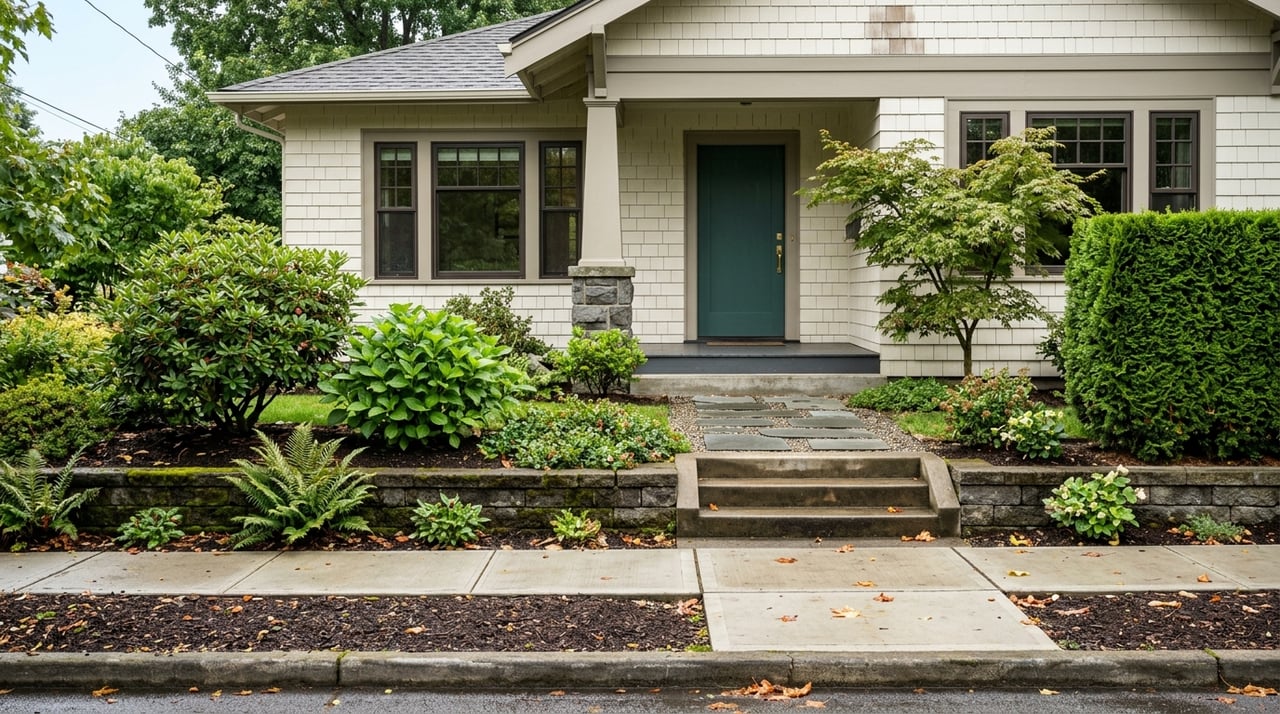
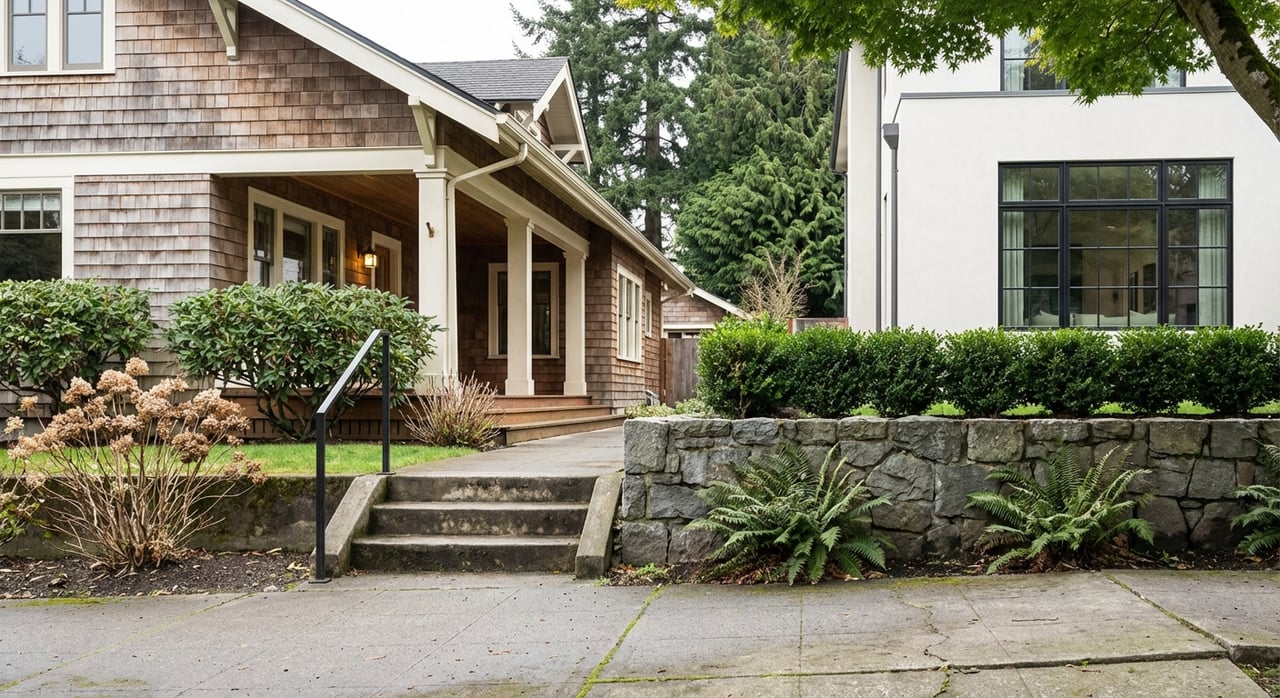
Tree-lined streets with earlier 20th-century homes, Craftsman and Tudor influences, and many midcentury remodels define these interior areas. Patterns are more conventional single-family, with a calmer residential feel.
Price implications: Per-square-foot pricing is typically lower than top-tier bluff lots, but total prices can still be competitive due to limited inventory and strong everyday livability.
What actually drives value in Magnolia
-
View quality and scope. Wide water and mountain views sit at the top of the premium scale, while partial or peek views sit lower. The premium varies by quality and distance, so use local paired sales rather than a fixed percentage from another market. See the research summary in Benson et al. on the value of a view.
-
Lot size, usable area, and slope. Flat, usable yards are scarce and command meaningful value. Appraisers often rely on matched-pair analysis to quantify adjustments. For process guidance, see the state valuation manual overview.
-
Condition, systems, and renovation level. Kitchens, baths, roofs, windows, and mechanicals matter. Recent, documented updates support dollar adjustments when paired with market evidence.
-
Architecture, layout, and ceiling height. Original character and modernized, open plans can both attract buyers. The impact depends on current preferences and the quality of the work.
-
Parking and access. Garages and off-street parking are valuable on a peninsula with constrained street parking.
-
Proximity to the Village, transit, and schools. Walkable access increases day-to-day utility. For neutral, public school data and rankings by ZIP code, review SchoolDigger’s 98199 search results.
-
Zoning and redevelopment potential. Lots with favorable zoning or simpler permitting paths can carry extra land value. To find your parcel’s base zoning and links to official maps, start with this Seattle zoning how-to.
-
Externalities. Rail, port, and busy arterials reduce value relative to quiet blocks. Use comps with similar influences to avoid over- or under-adjusting.
How to read comps in Magnolia
- Define the micro-market first. Are you in the Village core, a west-facing bluff street, the park fringe, an Interbay edge, or a quiet interior pocket? Choose comps from the same micro-area when possible.
- Favor recent closed sales. In active periods, target the past 3 to 6 months. In slower markets, you may need to reach back 6 to 12 months and time-adjust pricing.
- Use bracketing to minimize adjustments. The best comp is nearly identical and differs by only one attribute, like view quality. Appraisers rely on matched-pair analysis to build defensible adjustments. See the process overview in the valuation manual.
- Time-adjust with care. Document market direction before adjusting older comps. Keep changes conservative and consistent.
- Adjust in order. First financing and terms, then market conditions, then physical and location factors like view, lot, square footage, and condition. Explain each change and back it with local evidence.
- Respect the view premium trap. View premiums vary block by block. Confirm the range with nearby paired sales rather than importing a single percentage from a study. For why the range exists, review Benson et al.’s findings.
- Reconcile to a range. Weight the most similar comps, disclose uncertainty, and avoid overprecision when sample sizes are small.
Quick comp checklist to keep you on track:
- View: type, scope, and orientation.
- Lot: size, usable or terraced area, setback, and privacy.
- Floor area: above-grade and basement finished square feet.
- Condition: kitchens, baths, roof, HVAC, windows, and permit status.
- Parking: garage count, off-street options, and street conditions.
- Access: distance to the Village and parks.
- Externalities: proximity to rail, port, or arterials.
Pricing pitfalls to avoid
- Importing a single view percentage. Premiums are not one-size-fits-all; they depend on quality and distance.
- Mixing micro-markets. Bluff-view comps rarely apply cleanly to interior streets or Interbay-edge locations.
- Overreliance on medians. Neighborhood medians mask product mix differences and luxury outliers.
- Ignoring externalities. Rail and port adjacency require like-for-like comps. Review Magnolia’s boundary context to understand where these influences occur.
- Using comps that need heavy adjustments. When total net adjustments get very large, the comp’s reliability drops. Appraisal guidance flags this as a red flag and suggests finding better matches. See the valuation manual’s discussion of adjustments.
Buyer and seller playbook for Magnolia
- If you are a move-up buyer, define your must-haves by micro-market: sunset views, quiet interior living, or park-edge access. Ask your agent to show paired sales that isolate the premium you are considering paying, especially for views and lot quality.
- If you are selling, invest in the items buyers value most in your segment. That often means refreshed kitchens and baths, exterior detailing, and clear presentation of view corridors or yard usability. Document improvements so appraisers and buyers can credit them.
- For homes near rail or port influences, lead with transparency. Set expectations with like-for-like comps and highlight offsetting benefits, such as larger lots or quicker corridor access.
- For zoning or rebuild potential, verify parcel facts early. Start with this Seattle zoning how-to and consult official maps before making value claims.
Magnolia is a neighborhood of nuance. When you understand how the Village, bluff, park fringe, Interbay edge, and interior pockets each behave, you can price, bid, or renovate with clarity. If you would like a micro-market CMA or a second set of eyes on a view premium, let’s connect. Work one-on-one with a Magnolia-based advisor who blends lifestyle insight with meticulous market work. Reach out to Strong Properties to start a conversation.
FAQs
Why two similar Magnolia homes sell for different prices
- Because buyers and appraisers account for view quality, usable lot, condition, and location micro-factors, and those differences change utility and replacement cost. See an overview in Benson et al. on view value.
How big the “view premium” is in Magnolia
- There is no single number; Northwest research shows a wide range from small to very large premiums for top views, so use nearby paired sales to estimate your block’s range.
How Discovery Park affects Magnolia home values
- Park adjacency adds privacy, open-space access, and recreation, and the park’s size reduces buildable land, which can support prices; confirm the amenity’s scope on the Discovery Park page.
Best way to price a non-view Magnolia home
- Pull comps from similar interior pockets, bracket for lot usability and condition, and avoid mixing in bluff-view sales that require large negative adjustments; follow the valuation manual’s sales comparison steps.
What to know about living near Interbay or Terminal 91
- Expect adjustments for rail and port influences, choose comps with similar externalities, and highlight offsetting benefits like larger lots or improved access; see Magnolia’s boundary context for orientation.