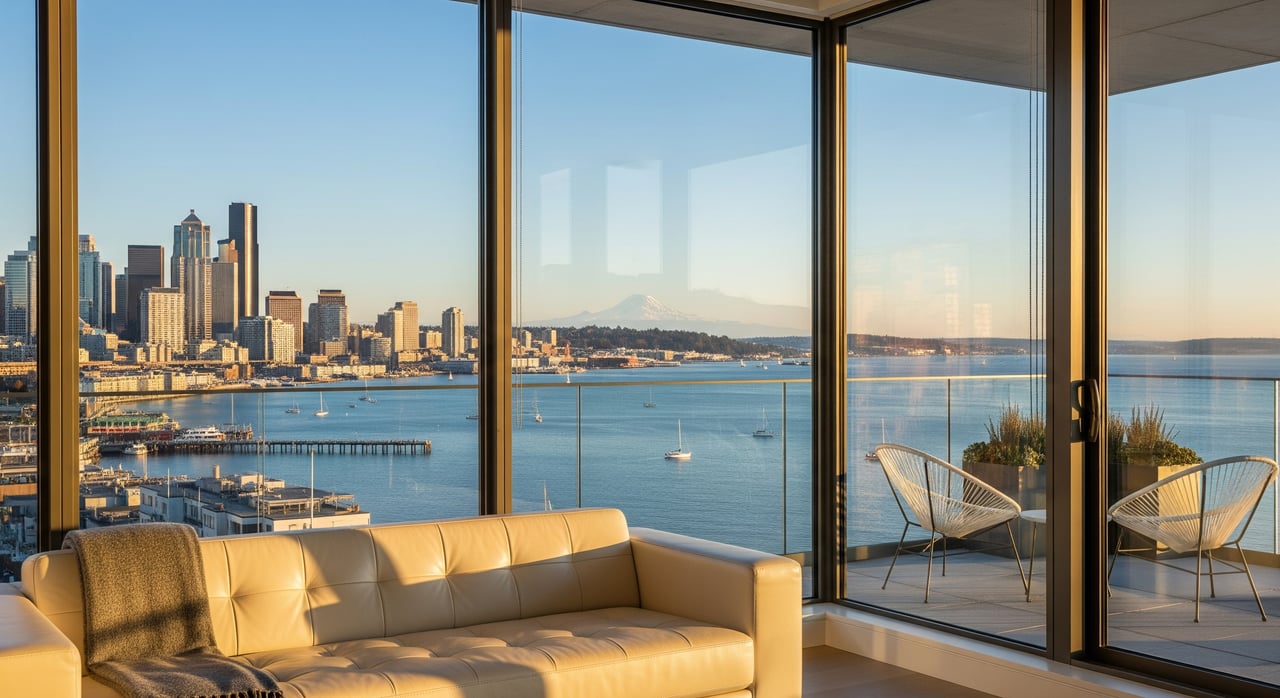
Are you eyeing a Seattle waterfront condo in 98101 and wondering why HOA dues vary so much from building to building? You’re not alone. Understanding what you’re paying for can be tricky, especially along the downtown waterfront where the marine environment adds unique costs and risks. In this guide, you’ll learn what condo dues typically cover, waterfront-specific cost drivers, how to read budgets and reserve studies, and how to judge dues as part of overall value. Let’s dive in.
What HOA dues usually cover
Condo dues pay for the building’s shared costs. In downtown Seattle’s waterfront buildings, that often includes the following categories:
- Operating expenses. Day-to-day costs like building staff wages and benefits, property management fees, common-area utilities, routine maintenance, supplies, and administrative expenses.
- Insurance. The master association policy typically covers common elements and the building structure as outlined in the policy. It usually excludes the interior of your unit, your personal property, and often certain perils like flood.
- Amenities and services. Gyms, pools or saunas, lounges, concierge services, parking garage upkeep, package rooms, and rooftop spaces all add operating costs and impact dues.
- Reserves. Regular contributions to a capital replacement fund for big-ticket items such as roofs, elevators, exterior envelope systems, and mechanical equipment.
- Taxes and assessments. Associations may pay taxes on common property or association-owned assets, depending on the building’s structure.
- Legal and professional fees. Attorney fees, accounting and audits, specialized consultants, and engineering or contractor costs for major projects.
What’s included varies widely by building. Some include water, sewer, trash, heat, or even internet and cable for units. Others include very little beyond common-area operations. Always confirm line items in the association budget.
Why waterfront buildings cost more to run
Marine environment maintenance
Salt air and humidity speed up corrosion on metal components like railings, balconies, and window frames. Wind-driven rain and sea spray put more stress on the building envelope, leading to more frequent inspections, sealant replacement, and cladding or window repairs. Waterfront HVAC equipment can also require more frequent service due to exposure.
Flood and storm considerations
Many master policies exclude flood coverage. You will likely need a condo unit-owner policy (HO-6) and may also need separate flood insurance based on building exposure and lender requirements. Waterfront exposure can increase premiums, deductibles, and overall insurance complexity. Pay close attention to master policy deductibles and exclusions because a high deductible can lead to an owner assessment if a claim occurs.
Docks, marinas, bulkheads, and seawalls
If the association owns or maintains dock structures, a marina, pilings, or a bulkhead or seawall, expect specialized inspections, engineering, and repair costs. These are often significant capital items that rely on well-funded reserves or, in some cases, special assessments.
Permitting and timeline impacts
Work on marine structures and shoreline elements often requires additional permitting, environmental approvals, and contractor specialization. That can lengthen project timelines and increase costs, which ultimately flows into dues, reserves, or assessments.
Staffing and luxury amenities
Buildings with 24/7 concierge staffing, valet services, and robust amenity suites usually carry higher ongoing costs. Those features may support resale value for lifestyle-focused buyers, but they also require steady operating budgets and long-term replacement planning.
How to read HOA financials with confidence
You’ll typically receive an association disclosure packet during your offer process. Before you rely on the dues number alone, request and review the right documents and know how to interpret them.
Documents to request
Ask for these core items, ideally covering the last 12 to 24 months:
- Current budget plus the prior 2 to 3 years
- Financial statements, including balance sheet and income/expense reports
- Latest reserve study with the recommended funding schedule
- Board meeting minutes and any special meeting minutes
- Insurance declarations for the master policy, with deductible details
- CC&Rs, bylaws, and rules and regulations
- Resale certificate or seller’s association disclosure (required in Washington)
- List of recent or pending special assessments and major projects
- Aging receivables or delinquency report and collection policy
- Any litigation or claim disclosures
- Contracts for major services like property management and elevator maintenance
- Reports and invoices for significant capital work such as envelope, dock, or elevator projects
What to look for in the numbers
Review the operating budget lines for large or growing expenses, including management fees, utilities, insurance, legal costs, and repairs. Large year-over-year jumps can signal deferred maintenance or litigation. Look closely at reserve contributions and compare them to the reserve study’s recommended schedule. Match the current reserve balance to the study’s long-term replacement plan to gauge how “percent funded” the association is relative to its needs.
Patterns matter. Repeated operating deficits that are backfilled from reserves suggest stress. Frequent special assessments with limited planning signal weak funding or reactive management. Pending lawsuits or construction defect claims can strain reserves and limit financing options for buyers.
Reserve studies 101
The reserve study lists the building’s major components, their expected remaining useful life, replacement cost estimates, and a recommended funding plan. A recent study by a qualified professional that uses realistic inflation and cost assumptions is key. If the study is old or the funding plan is not being followed, budget for increased dues or possible assessments.
Insurance fine print
Confirm what the master policy actually covers, per-claim deductibles, and exclusions. Flood is often excluded. A high deductible can mean owners are assessed to cover the gap when there is a claim. Ask about prior claims, what perils were involved, and whether coverage changed as a result.
Make dues part of value, not a surprise
High dues are not automatically a negative. Low dues are not automatically a deal. Focus on total cost, what’s included, and the association’s financial health.
Translate dues into apples-to-apples metrics
Use these quick calculations to compare options:
- Annual dues = monthly dues × 12
- Dues per square foot = annual dues ÷ unit square footage
- Effective monthly housing cost = mortgage + property taxes + HO-6 insurance + HOA dues
These metrics help you compare buildings with different unit sizes and inclusions.
Compare what’s included
A building with higher monthly dues that include water, trash, heat, or internet could be better value than a building with lower dues that excludes those items. Always compare inclusions line by line instead of focusing on the headline dues number.
Reserve health and assessment risk
A well-funded reserve plan reduces the likelihood of surprise special assessments and supports stable dues. A building with low dues and thin reserves may look attractive today but carry higher long-term costs. Review the reserve study’s schedule, current balance, and whether dues are aligned with the recommended funding levels.
Amenities and building age
Luxurious amenities can support higher resale values for some buyers, but they also increase operating and future replacement costs. Older waterfront buildings might offer attractive purchase prices while requiring more envelope, elevator, or dock-related work in coming years. Factor planned projects and their funding into your valuation.
Lender and insurance impacts
High rental percentages, pending litigation, or poor financials can limit financing options or push lenders to impose stricter terms. This can affect the property’s marketability and value. Confirm rental policies and owner-occupancy rates, and check whether any litigation is ongoing.
Due diligence checklist for 98101 buyers
Here is a clear, practical checklist tailored for downtown Seattle waterfront purchases:
- Resale certificate and association disclosure packet
- Current budget and the prior 2 to 3 years’ budgets
- Financial statements and any audit or compilation
- Latest reserve study and capital project schedule
- Board meeting minutes for the past 12 to 24 months
- Master insurance declarations and summary of owner obligations
- Invoices and reports for major projects like envelope repairs, docks, or elevators
- List of special assessments, including those authorized but not yet levied
- Delinquency report and collections policy
- Litigation and claim disclosures
- Property management agreement and key vendor contracts
Smart questions to ask
- Which utilities are paid by the HOA versus owners? Are heat, hot water, cable, or internet included?
- Is parking deeded or assigned, and is it included in the dues?
- Does the building own a dock, marina, or bulkhead, and who pays for maintenance and replacement?
- What are the master policy deductibles and exclusions? Is flood coverage excluded?
- Any insurance claims in the past five years, and what changed afterward?
- When was the last reserve study, who prepared it, and when is the next update?
- Which major projects are planned in the next 1 to 5 years, and how will they be funded?
- What is the current reserve balance and percent funded relative to the plan?
- What are the rental policies and current owner-occupancy percentages?
- Is there a history of frequent special assessments, and why?
Red flags on the waterfront
- No recent reserve study or one older than five years
- Reserve balance far below recommended levels, especially with near-term projects pending
- Repeated or large special assessments without a documented capital plan
- Sharp, unexplained jumps in insurance premiums or unusually high master policy deductibles
- High delinquency rate or a few owners with large arrears balances
- Pending litigation involving the building envelope, structure, or major systems
- Frequent management turnover combined with deferred maintenance
How to use this information during your offer
Start with the full HOA packet and read it carefully. Run the dues through the comparison formulas and list what is and is not included. Review the reserve study and board minutes to understand upcoming projects and funding sources. Clarify insurance coverage, deductibles, and flood exposure early so you can plan for HO-6 and any flood policy needs.
If the building owns shoreline structures, look for inspection reports, repair histories, and permitting notes. Confirm whether the association has engaged engineers and whether timelines are realistic. Longer marine projects can carry cost escalations, so a clear plan and adequate reserves matter.
Finally, weigh the lifestyle and convenience of a waterfront location against long-term maintenance realities. A well-run association with transparent budgets, disciplined reserve funding, and clear communication can justify higher dues and support long-term value.
Ready for local guidance?
You deserve clear, confident answers before you buy. If you want a second set of eyes on HOA budgets, reserve studies, and insurance details, partner with a boutique advisor who understands Seattle’s waterfront and downtown condo dynamics. For personalized guidance and a seamless buying experience, connect with Strong Properties.
FAQs
Are flood costs included in Seattle condo HOA dues on the waterfront?
- Master policies often exclude flood coverage. You will typically carry an HO-6 policy and may need separate flood insurance depending on exposure and lender requirements.
What does a condo reserve study tell me as a buyer?
- It lists major building components, their remaining useful life, estimated replacement costs, and a recommended funding plan to reduce special-assessment risk.
How big a red flag is a recent special assessment in a 98101 building?
- It depends on context. A one-time assessment for envelope or dock remediation can be reasonable if it is well documented, while repeated assessments without a plan suggest financial weakness.
Can HOA dues increase suddenly in downtown Seattle condos?
- Boards can raise dues according to governing documents and state law. Large increases or special assessments may require owner approval depending on the bylaws and CC&Rs.
How should I compare dues between two waterfront condos?
- Calculate annual dues and dues per square foot, list what is included, review reserve health, note any planned projects, and weigh amenities against long-term replacement obligations.
What insurance details should I verify before I buy?
- Confirm master policy coverage, per-claim deductibles, and exclusions. Ask about prior claims, whether flood is excluded, and how deductibles would be funded after a loss.