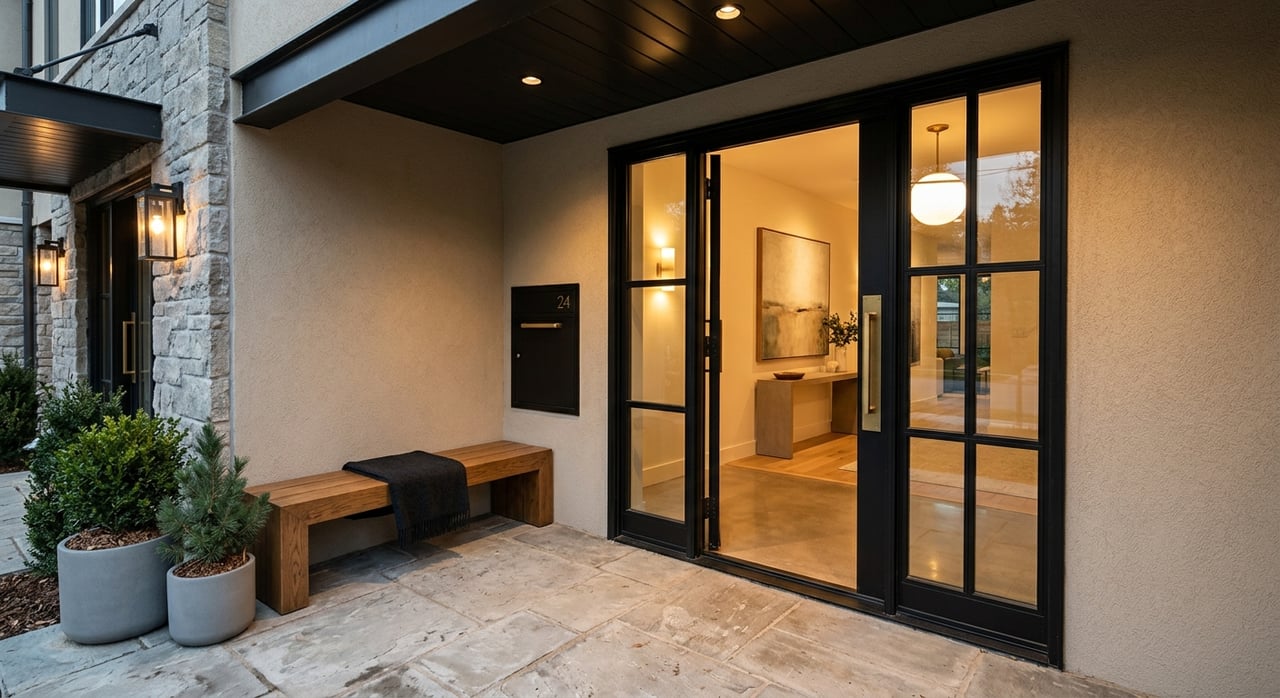
If you love Madison Park’s lakefront setting but not the idea of caring for a larger home, you are not alone. Downsizing here can be appealing, but it also comes with a very specific challenge: true lock-and-leave options are limited. The good news is that with the right checklist, you can find a home that supports an easier routine, lower upkeep, and the lifestyle that draws people to this part of Seattle in the first place. Let’s dive in.
Why Madison Park Appeals to Downsizers
Madison Park offers a rare mix of scenery and convenience. On one hand, you have the shoreline of Lake Washington and the everyday draw of Madison Park, with its swimming beach, bathhouse, tennis courts, and play areas. On the other, the city’s neighborhood profile points to a compact local hub with groceries, coffee shops, restaurants, retail, hardware, medical services, specialist clinics, and parks.
That balance matters when you are choosing a smaller, lower-maintenance home. You are not just buying square footage. You are choosing how easily you can step out for errands, enjoy the lake, and keep your day-to-day life simple.
Madison Park also connects reasonably well to the rest of the city. King County Metro Route 11 serves Madison Park and links the neighborhood with Capitol Hill and Downtown Seattle. If part of your lock-and-leave plan is driving less or having another transportation option, that is worth factoring into your search.
Understand the Lock-and-Leave Reality
One of the most important things to know is that Madison Park is not a condo-heavy neighborhood. According to Seattle landmark-history materials, the area developed largely with single-family homes on medium-sized lots and remains mostly single-family today, with a mix of waterfront condominiums and a small number of apartment buildings.
For you, that means the lock-and-leave inventory is usually more limited than in denser Seattle neighborhoods. If your goal is low exterior maintenance, shared building systems, and easier travel, your best options will often be condos or similar low-maintenance properties rather than detached homes.
This also means selection can be more nuanced. A well-located unit in the right building may be a better long-term fit than a larger home that still requires ongoing upkeep, yard work, and more hands-on maintenance.
Focus on the Floor Plan First
When downsizing, the layout matters as much as the address. A beautiful unit can still create daily friction if stairs, narrow halls, or awkward room placement make the home harder to use over time.
AARP’s guidance on age-friendly housing highlights features such as zero-step entries, wide doorways and hallways, lever-style handles, and key living spaces on one level. That guidance is especially useful in Madison Park, where the right lock-and-leave home should work for you now and still feel comfortable years from now.
AARP also notes that only 1% of homes have five key accessibility features. That is a powerful reminder to look carefully at function, not just finishes. If you are comparing two properties, the one with easier access and a more practical layout may offer better long-term value for your lifestyle.
Features worth prioritizing
- Single-level living within the unit
- Step-free building or elevator access
- Wider halls and doorways where possible
- Easy-to-reach storage
- Simple bathroom layouts with comfortable movement space
- Entryways that feel manageable in all weather
Look Beyond Finishes to Building Operations
A lock-and-leave home should make your life easier when you are in town and when you are away. That means the building itself deserves as much attention as the interior design.
The Consumer Financial Protection Bureau notes that HOA or condo dues are typically separate from your mortgage and can range from a few hundred dollars to more than $1,000 per month. Those costs are not automatically a negative. What matters is what you receive in return.
Fannie Mae’s condo guidance, referenced in the research report, reinforces the importance of reviewing governing documents, financial statements, reserve funds, and any potential special assessments. In other words, a polished lobby is nice, but strong building management and solid financials matter more.
Ask what the dues actually cover
Some buildings may include services such as:
- Landscaping
- Exterior maintenance
- Water
- Sewer
- Common-area upkeep
For a downsizer, the goal is simple: you want fewer responsibilities and fewer surprises. A building that handles key maintenance well can support the ease you are trying to create.
Review the HOA Like a Buyer, Not a Tourist
It is easy to fall for a view or a beautifully updated kitchen. It is harder, but far more important, to understand how the building runs.
Before you buy, review the HOA’s CC&Rs, bylaws, budget, reserve study or reserve information if available, and recent meeting notes if they are provided. You want a clear picture of how the association plans for repairs, how often dues have increased, and whether major projects may lead to added costs.
This step is especially important if you plan to travel often or split time between homes. A true lock-and-leave property should have a clear process for building access, maintenance response, and common-area management while you are away.
Key operational details to confirm
- Deeded or leased parking
- Guest parking availability
- Dedicated storage
- Elevator access or step-free entry
- Secure building entry
- Package handling
- Pet rules
- Rental rules
- On-site or responsive management
- Procedures for repairs when you are away
Think Through Daily Convenience
The best downsizing move is not always the one with the most dramatic view or the largest patio. Often, it is the home that makes regular life easier.
Madison Park stands out because so many daily needs can be close at hand. The neighborhood-center profile cited in the research points to groceries, coffee shops, restaurants, retail, hardware, and medical services within the local hub. For many buyers, that compact convenience is a major part of the value.
When touring homes, think beyond the unit itself. Consider how comfortable the walk is to the village core, whether the route feels manageable year-round, and how easy it is to handle groceries, visitors, and coming home after dark.
Prioritize Lifestyle, Not Just Less Space
Downsizing should not feel like giving something up. In Madison Park, it can be a way to trade maintenance for access to the things you actually use and enjoy.
You may be leaving behind a larger yard, extra rooms, or household chores that no longer fit your routine. In exchange, you can gain easy outings to the beach, a simpler home base, and quick access to nearby green space like the Washington Park Arboretum, a 230-acre park and botanical garden that is open daily and free. Within it, Seattle Parks describes the Japanese Garden as a formal 3.5-acre garden, adding another nearby option for a calm afternoon close to home.
That is the heart of a good lock-and-leave decision. You are choosing a home that supports the way you want to live, with less friction and more flexibility.
Questions to Use When Comparing Homes
If you are weighing a few options in Madison Park, these questions can help you separate a beautiful property from the right property:
- How close is the home to groceries, coffee, restaurants, and basic medical care?
- Does the floor plan support aging in place?
- What does the HOA cover?
- How often have dues increased?
- Are reserve funds adequate?
- Are special assessments likely?
- Is the parking and storage setup still convenient if you are away for weeks at a time?
- Is the route to the village core or beach comfortable and practical year-round?
Even in a highly desirable neighborhood, the right fit usually comes down to details. The strongest lock-and-leave choices are often the homes that reduce future friction while preserving the access and setting that made Madison Park appealing to you in the first place.
A Smart Madison Park Downsizing Strategy
Because inventory is limited, downsizing in Madison Park often requires patience and a clear plan. It helps to know which trade-offs matter most to you before the right listing appears.
For some buyers, that means prioritizing elevator access and strong HOA reserves over extra square footage. For others, it means staying close to the beach or the neighborhood core, even if the unit itself is smaller. The key is to define your non-negotiables early so you can act with confidence when the right opportunity comes along.
If you are considering a move, working with an advisor who understands Seattle’s neighborhood-by-neighborhood housing patterns can help you compare options more clearly and avoid expensive surprises. When you are ready to explore your next move, Strong Properties can help you evaluate Madison Park homes with a practical, lifestyle-focused lens.
FAQs
What types of lock-and-leave homes are most common in Madison Park?
- In Madison Park, lock-and-leave options are usually concentrated in condo buildings or other low-maintenance properties because the neighborhood remains mostly single-family with a smaller supply of condos and apartment-style homes.
What should you review before buying a Madison Park condo?
- Before buying a Madison Park condo, review the HOA dues, what those dues cover, the CC&Rs, bylaws, financial statements, reserve funds, and the potential for special assessments.
What accessibility features matter in a Madison Park downsizing home?
- Important accessibility features in a Madison Park downsizing home can include zero-step entry, wide doorways and halls, lever-style handles, elevator access, and key living spaces on one level.
What neighborhood amenities support downsizing in Madison Park?
- Madison Park supports downsizing with access to the lakeside park and beach, nearby errands and services in the neighborhood core, transit connections, and outdoor destinations such as the Washington Park Arboretum.
What daily-use details matter most in a Madison Park lock-and-leave property?
- The most important daily-use details in a Madison Park lock-and-leave property often include secure entry, parking, storage, package handling, elevator or step-free access, responsive management, and clear repair procedures when you are away.