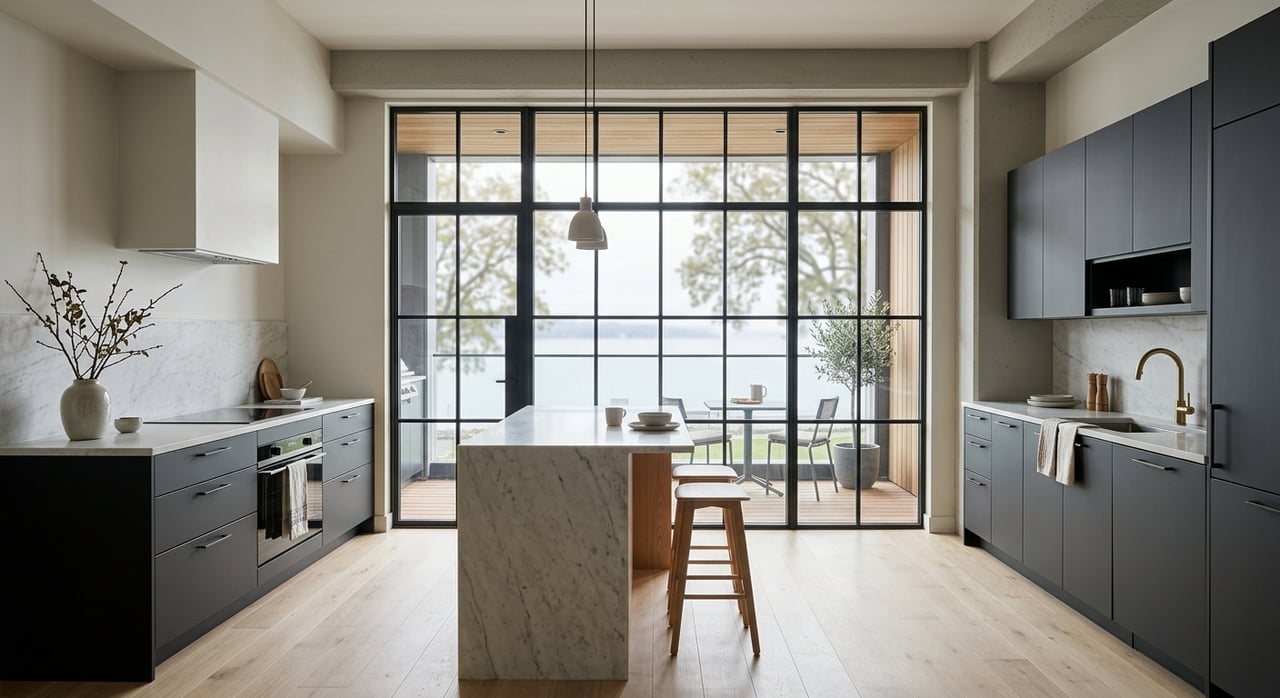
If you are thinking about buying a Seattle waterfront condo, the view is only part of the story. A home on the waterfront can offer everyday access to Elliott Bay, ferries, parks, and downtown energy, but it can also come with more noise, more complex building questions, and higher long-term due diligence needs. Before you pay a premium for the setting, it helps to understand what really matters so you can buy with confidence. Let’s dive in.
Waterfront lifestyle fit
Seattle’s central waterfront has changed in a big way. The city marked Waterfront Park as complete, with 20 acres stretching from Belltown to Pioneer Square, plus the Park Promenade, Overlook Walk, Pier 58, Pier 62, pedestrian bridges, and 1.2 miles of protected bike lanes. For you as a buyer, that means the waterfront is more connected, more active, and more of a year-round destination than it used to be.
That can be a major plus if you want easy access to public spaces, bay views, ferries, and downtown amenities. It can also mean heavier foot traffic, event activity, and more public-space noise than you may find in an inland condo building. The key question is simple: does that lifestyle match how you actually want to live?
Before making an offer, it is worth visiting at different times of day and on weekends. The Waterfront Park visitor guide highlights year-round programming, ferry access, bike access, and seasonal transportation options, all of which add convenience but also shape the feel of the area. What feels vibrant to one buyer may feel busy to another.
Questions to ask yourself
- Do you want a quieter residential environment or a more active civic waterfront setting?
- Will you regularly use the park, bike lanes, ferries, and nearby public spaces?
- Are you comfortable with weekend crowds and event-related activity?
- Are you paying for a view you will enjoy every day, or mainly for the address?
Flood and resilience checks
A waterfront condo purchase should always include a careful review of environmental exposure. The official place to start is FEMA’s Flood Map Service Center, which can help you confirm whether a specific address falls within a Special Flood Hazard Area. That is one of the first property-specific checks to make before you get too far into the process.
Seattle also notes that current flood maps show present-day flood-prone areas but do not account for future sea-level rise or stronger storms. According to Seattle Public Utilities climate projections, the city projects about 1 foot of sea-level rise by 2050 and 2 to 5 feet by 2100. That does not automatically mean a building is a poor choice, but it does mean you should think beyond today’s conditions.
In practical terms, lower-level building features deserve close attention. Even if your unit sits well above grade, you should still review how the building handles garage drainage, lobby entries, storage areas, elevators, and mechanical systems. These components can affect future maintenance costs, insurance questions, and the building’s overall resilience.
Seattle’s rebuilt Elliott Bay Seawall is a helpful piece of context. The city says the new section was built to last more than 75 years, meet earthquake safety standards, and improve nearshore habitat. That is encouraging for public shoreline infrastructure, but it also shows how much waterfront ownership depends on both the building itself and the larger systems around it.
Smart due diligence items
- Check the exact address on FEMA flood maps
- Ask for any known flood-history or drainage disclosures
- Review past water-intrusion claims or repairs
- Ask how the HOA monitors waterproofing and drainage issues
- Look closely at lower-level systems, not just the unit itself
HOA documents matter more here
For any condo purchase, HOA review is important. For a waterfront condo, it becomes even more important because exposure, maintenance, waterproofing, and long-term capital planning can all carry more weight.
Under Washington law, the seller must provide a resale certificate before the sale. This document can include the monthly assessment, unpaid special assessments, reserve balances, current budget, annual financial statements, anticipated repair or replacement costs above 5% of the annual budget, and whether the association has a current reserve study. The law also makes clear that insufficient reserves can lead to special assessments.
This is where you can often get the clearest picture of the building’s financial health. A well-run waterfront condo association should show that it is planning for major maintenance rather than reacting to it. If you see limited reserves, vague repair language, or signs of deferred maintenance, that deserves a closer look.
It is also smart to ask for recent board meeting minutes, engineering reports, and the latest reserve study if one is available. Those materials may reveal upcoming facade repairs, window issues, garage waterproofing work, or other building needs that may not be obvious from a showing.
HOA review checklist
- Resale certificate
- Current or most recent reserve study
- HOA budget and recent financial statements
- Declaration, bylaws, and rules
- Meeting minutes related to repairs, litigation, or assessments
- Engineering reports for windows, roof, garage, facade, or waterproofing
Insurance questions to clarify
Insurance is another area where waterfront condo buyers should slow down and ask detailed questions. The Washington Office of the Insurance Commissioner explains that condo insurance works together with the association’s master policy, and that standard homeowner-style policies usually do not cover floods or earthquakes. Those risks generally require separate coverage.
That means you should not assume the building’s master policy covers everything you care about. Instead, confirm what the HOA insures, what your personal condo policy would cover, what deductibles apply, and whether you want added protection based on your own comfort level. Even if flood or earthquake coverage is not required, it may still be worth discussing with an insurance professional.
Large deductibles also matter. If the building carries high deductibles for certain types of damage, that can affect owners financially after a major event. It is better to understand that before closing than after you move in.
Transit, parking, and daily convenience
One of the biggest strengths of the Seattle waterfront today is access. According to the Waterfront Park visitor information, the area is close to major transit lines and ferries, and the free Waterfront Shuttle runs from May through mid-September with stops including Seattle Center, Pier 69, Pier 62, Pier 56, Pioneer Square, and King Street Station.
For regional travel, Colman Dock is being rebuilt as a multimodal hub with stairs, elevators, and direct street connections to Alaskan Way. That supports convenience for ferry riders and visitors, but it can also add neighborhood activity and pedestrian flow nearby.
If light rail access matters to you, Westlake Station in 98101 offers 1 and 2 Line service and is marked accessible by Sound Transit. In many cases, the real question is not whether transit exists, but how easy the route is from your exact building entrance.
Parking should also be verified carefully. Waterfront Park notes that street parking can be limited during peak times, which makes deeded parking, guest parking, garage access, and EV charging rules important details to confirm. For both daily use and future resale, these details can make a meaningful difference.
What to verify before you buy
- Whether parking is deeded, assigned, or limited-use
- Guest parking availability
- Garage entry convenience and security
- EV charging policies or infrastructure
- Walking route to ferries, transit, and daily services
- Peak-time traffic and pedestrian conditions near the building
Resale value is about more than the view
Views matter, but they are not the only factor that drives future appeal. Buyers tend to care about a combination of lifestyle, convenience, and risk clarity. In a waterfront condo, that means your future resale position may depend just as much on HOA strength, insurance clarity, and access as it does on the panorama from the living room.
Unobstructed or protected views can support long-term desirability. So can clear parking arrangements, strong reserve funding, and a building with fewer unanswered questions around maintenance or exposure. On the other hand, surprise assessments, unclear insurance details, or difficult access can narrow your buyer pool later.
That is one reason a thoughtful waterfront purchase can benefit from a more detailed strategy than a standard condo search. You are not just buying square footage. You are buying into a building, a shoreline setting, and a very specific downtown lifestyle.
When to bring in extra help
Some waterfront condo purchases are straightforward. Others raise questions that deserve professional review before you remove contingencies.
Washington’s condo and common-interest-community laws can become especially relevant if documents suggest construction defects, legal disputes, unclear reserve language, or potential major repairs. In situations like that, it may make sense to involve a real estate attorney or construction-focused legal advisor rather than trying to interpret everything on your own.
You may also want support from an insurance broker if flood, earthquake, or master-policy questions come up. If a large assessment is being discussed, your lender or CPA may also help you understand how that affects affordability and cash planning.
A Seattle waterfront condo can be an exceptional purchase when the fit is right and the due diligence is thorough. If you want a clear-eyed, personalized approach to evaluating lifestyle, building quality, and long-term value, Strong Properties can help you navigate the details with confidence.
FAQs
What should you review before buying a Seattle waterfront condo?
- You should review the lifestyle fit, FEMA flood map status, HOA resale certificate, reserve study, insurance coverage, parking details, and any signs of water intrusion or deferred maintenance.
How does Waterfront Park affect Seattle waterfront condo living?
- Waterfront Park adds major public-space amenities, walkability, bike access, and year-round activity, but it can also increase foot traffic, event activity, and noise near some buildings.
Why does the HOA resale certificate matter for a Seattle condo purchase?
- The resale certificate can show monthly dues, reserve balances, special assessments, repair costs, and other financial details that help you understand the building’s condition and future costs.
Do Seattle waterfront condos need flood or earthquake insurance?
- Standard condo insurance usually does not cover floods or earthquakes, so you should confirm the building’s master policy, your unit policy, and whether added coverage fits your needs.
What transportation options are near Seattle waterfront condos in 98101?
- Depending on the building, you may have access to ferries at Colman Dock, the King County Water Taxi at Pier 50, the seasonal Waterfront Shuttle, nearby bus connections, and Link light rail via Westlake Station.