If you picture morning coffee with the skyline in front of you and sunsets slipping behind the Olympics, Queen Anne view homes are likely on your list. The hill’s elevation and compact slopes create rare sightlines across downtown, Elliott Bay, and Lake Union. Choosing the right home is about more than a postcard view, though. In this guide, you’ll learn how Queen Anne homes capture those vistas, what daily life feels like on the hill, and how to assess long‑term value with confidence. Let’s dive in.
Queen Anne views at a glance
Queen Anne is the city’s highest named hill, with an elevation noted around 456 feet. That topography helps many properties look over Lower Queen Anne and toward the water and skyline. You see this relationship clearly in hilltop photos that frame the Space Needle and downtown. The elevation context is documented in the city’s preservation records for the neighborhood’s landmarks (Edris House nomination confirms the height context).
Kerry Park is the classic reference point for Queen Anne views. From there, you can see downtown, Elliott Bay and the Olympics on clearer days, and Mount Rainier aligning behind the skyline when conditions allow. That same mix of skyline, water, and mountains is what many homes on the south and west slopes try to capture (Seattle Parks describes these vantage points at Kerry Park).
The neighborhood name covers both Upper Queen Anne and the foot‑of‑hill area commonly called Uptown. That split is why listings often mention both panoramic views and access to cultural venues at Seattle Center (local history explains the hilltop and Uptown connection).
Common view types you can find
- Downtown and Space Needle sightlines
- Elliott Bay and Puget Sound water views
- Olympic Mountains to the west and Mount Rainier to the southeast (weather permitting)
- Lake Union, Gas Works Park, and Ship Canal angles, depending on elevation and orientation
The King County Assessor even maps view categories like downtown, Puget Sound, and mountain in area reports, which helps explain how the market distinguishes quality and breadth of sightlines (see the Assessor’s view categorization in local reports).
Architecture that frames the view
Historic-to-modern mix
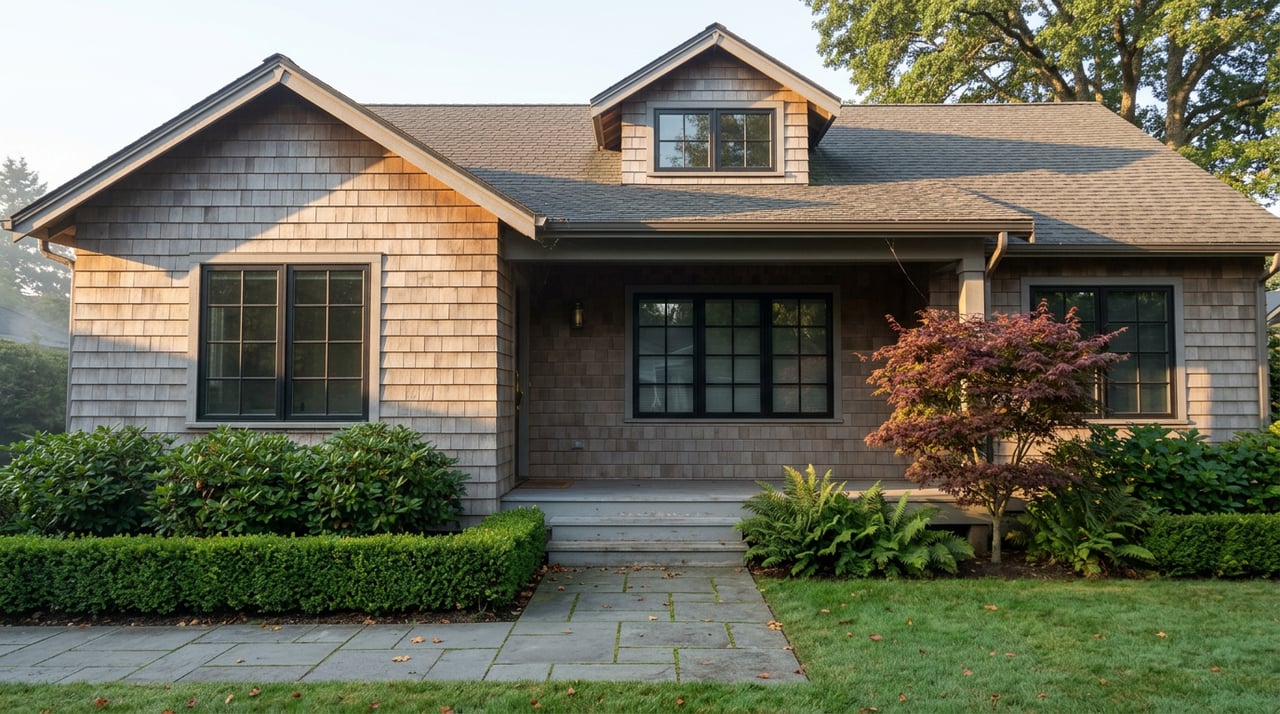
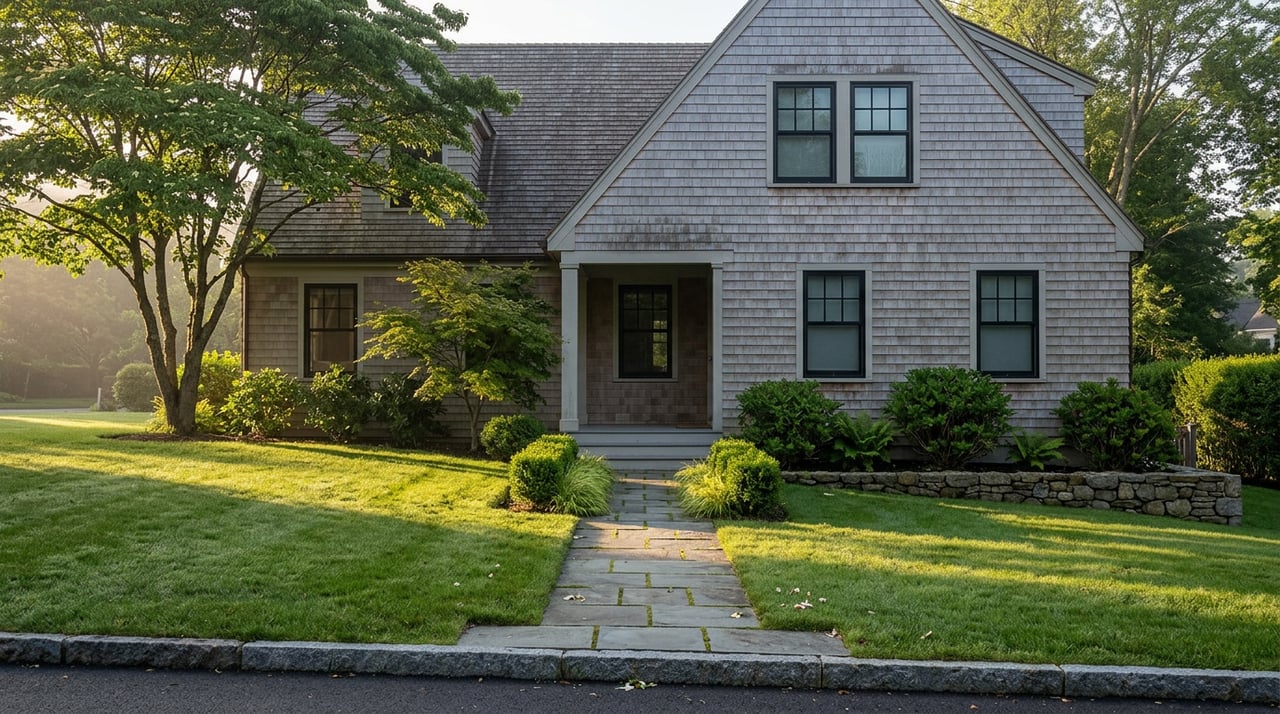
Queen Anne’s streets blend late‑19th and early‑20th century architecture with mid‑century and contemporary updates. You will find classic Queen Anne and Victorian homes, Craftsman bungalows, and Seattle Box styles alongside modernized residences. Many older homes have been remodeled with larger windows and outdoor living to better capture sightlines (the neighborhood’s historic context outlines this architectural range).
Design moves that matter
- Top‑floor living. Placing main gathering spaces or the primary suite on the highest level maximizes outlooks over rooflines and treetops.
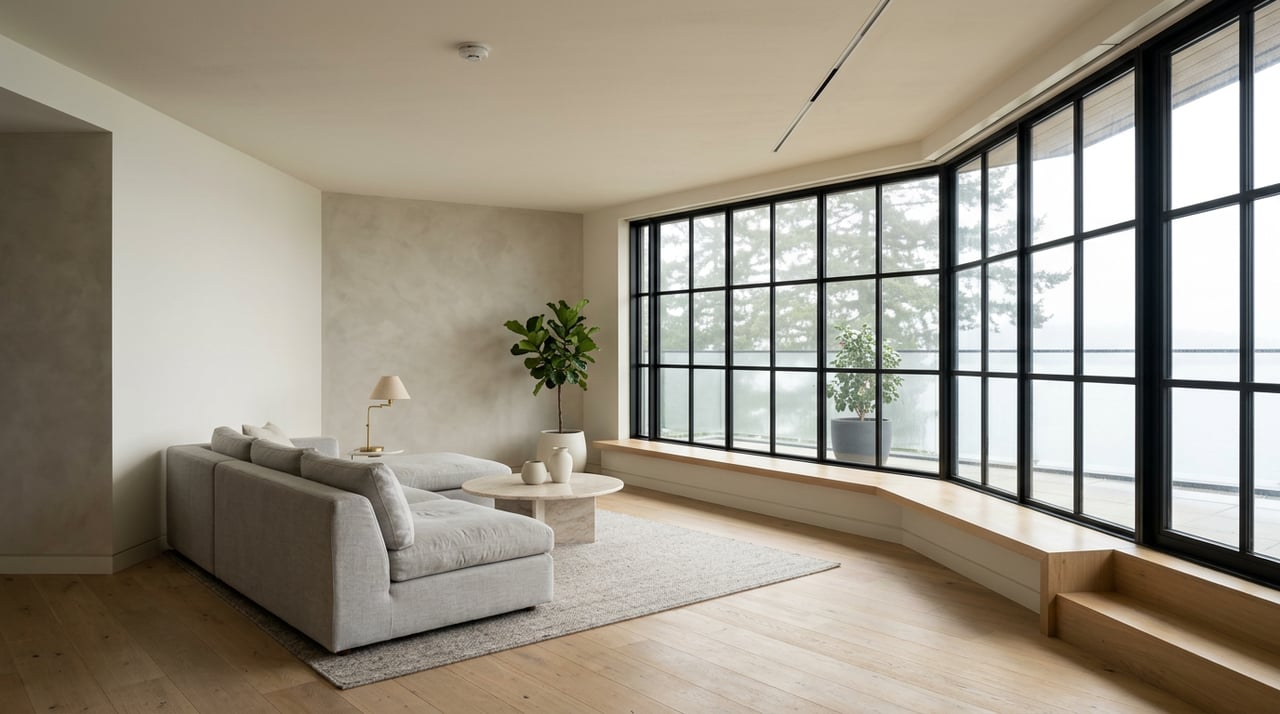
- Larger glazing. Picture windows, corner glazing, and window walls frame the skyline and water, unlike small openings that limit the experience.
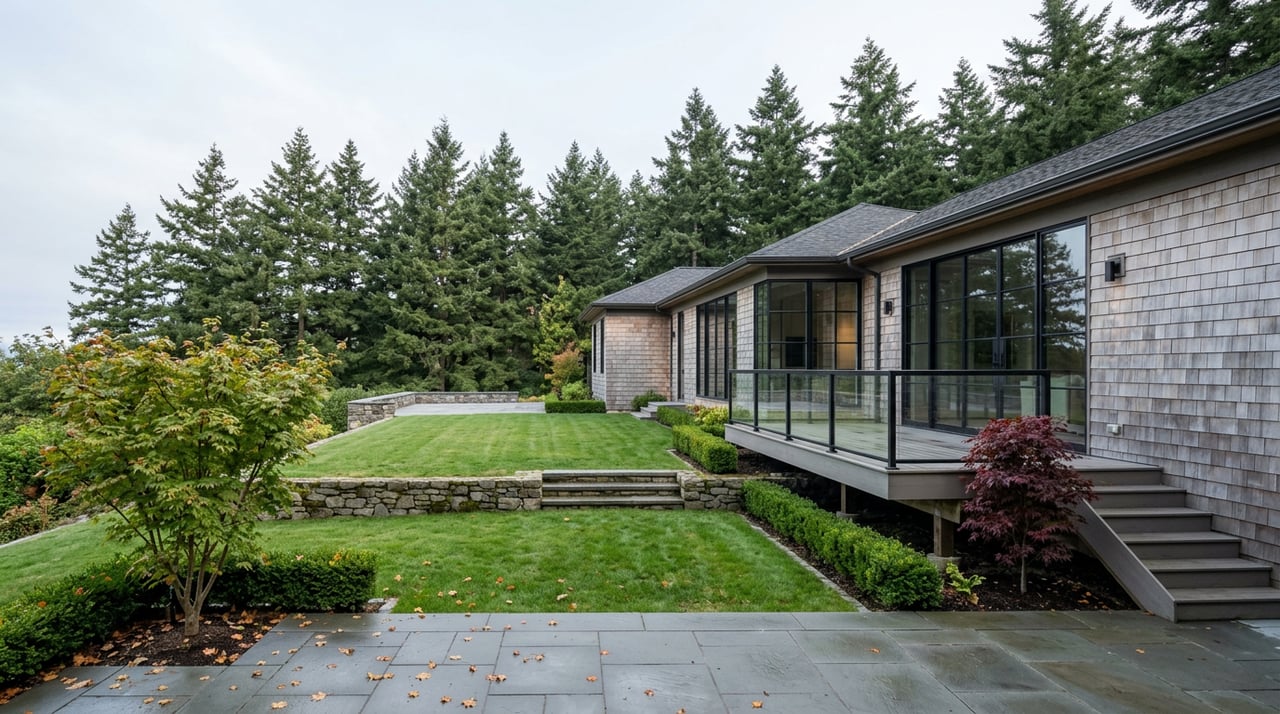
- Outdoor platforms. Terraced rear yards, upper decks, and permitted roof decks extend daily life into the panorama. On sloped lots, garages often sit at alley or lane level to free up living space above.
- Vertical circulation. Elevators or residential lifts are common upgrades that make multi‑level living more comfortable without long stair runs.
Structural and permitting essentials
If you are buying or planning updates, a few technical items help differentiate a premium view home:
- Roof decks and guardrails must meet structural and safety standards, which typically require permits and engineering. Ask for permit history and inspection records for any occupiable deck.
- Hillside sites often trigger geotechnical review and grading permits, especially where retaining walls and drainage are involved. The city’s grading and environmentally critical area guidance outlines when these rules apply (review Seattle’s grading permit overview).
- Historic character matters. Some homes fall under preservation guidance that can influence changes to rooflines or street‑facing facades.
Lifestyle on the hill
Light and orientation
West and southwest exposures are prized for sunsets over Elliott Bay and dramatic evening light. East‑facing rooms wake to softer morning light and, depending on the block, different mountain alignments over Lake Union. Both can be beautiful. The right choice depends on how you live and when you spend time at home (Kerry Park’s outlook illustrates how these angles play out).
Access and mobility
Many view homes sit on sloped streets or alleys. Expect interior stairs, hillside steps to entries, and driveway slopes. If aging in place or accessibility is a priority, check the feasibility of adding an elevator or creating a main‑floor suite. Structural changes or grade adjustments may involve permits, especially near steep slopes (see the city’s grading guidance).
Events, noise, and privacy
Proximity to Seattle Center and Climate Pledge Arena means quick access to concerts and games, which many residents enjoy. It can also bring event‑day traffic, parking constraints, and crowd activity. Plan a test visit when an event is on the calendar to see how it feels on your block (learn more about the arena and event district).
Maintenance realities
View homes often have more glass, exposed decks, and hillside landscaping. That can mean different maintenance budgets compared with interior‑lot homes. Expect routine attention to windows, roof systems, drainage, and retaining elements, especially in older houses that were adapted for view‑oriented living (the neighborhood context notes common terracing and retaining solutions).
What drives value in Queen Anne views
Academic research and local assessment practices both point to a few consistent drivers of “view premium.” While the size of premiums varies by market and home, the hierarchy tends to be similar:
- Type of view. Water and broad, unobstructed panoramas often command the strongest premiums, followed by mountain and skyline views. Hedonic studies summarize this effect across markets, with ranges depending on sample and context (see a summary of view premiums in academic research).
- Quality and breadth. Panoramic, consistent sightlines tend to be valued more than narrow or partially obstructed views. The King County Assessor’s area reports even sort view quality into distinct categories, reflecting how the market observes these differences (Assessor’s view categories are outlined here).
- Elevation and orientation. Higher lots on south and southwest slopes usually have better angles over lower blocks toward Elliott Bay and downtown.
- Function and finish. Homes that let you live with the view, not just photograph it, tend to command more. That includes top‑floor living, high‑quality glazing, well‑designed decks, elevators or lifts, and cohesive finish quality.
How to think about permanence
Seattle’s land‑use policies protect certain public view corridors and shoreline view areas. Private views are not generally guaranteed unless there is a recorded view easement or a very specific regulatory finding applies. That is why permanence is as important as what you see on day one (review the city’s policy context in SEPA and the land‑use code).
To assess risk, check what can change on nearby parcels. If an adjacent lot allows taller construction or has an active permit, your outlook could shift over time. Public tools make this first pass easy (here’s a guide to finding your zoning in Seattle).
Buyer due‑diligence checklist
Use this quick checklist to evaluate a Queen Anne view home with clarity:
- Visit multiple times. See the property at sunrise and sunset, and visit on a weekday with an arena event to gauge light, traffic, and sound.
- Verify the actual sightlines. Stand in the living room, primary suite, and on the main deck to confirm what you see without relying only on drone or listing photos.
- Ask title to search for view protections. Look for recorded view easements or height covenants that benefit or limit the property.
- Check zoning and permits on nearby lots. Review city GIS and King County parcel records for redevelopment capacity and recent permit activity (use this guide to start your zoning check).
- Review geotechnical and grading items if the site is steep. Request prior geotech reports and confirm any retaining walls or drainage changes were permitted (see the city’s grading permit overview).
- Confirm structural and permit history for decks and large glazing. Roof decks have specific load and guardrail requirements; ask for stamped drawings and final inspections where applicable.
- Evaluate access and parking. Walk the stairs and alley routes you will use every day and consider future accessibility needs.
Work with a local advisor
A remarkable view is only part of the story. The best outcomes come from pairing that outlook with smart due diligence, a layout that supports daily life, and an understanding of what will likely remain over time. If you want a curated search, thoughtful guidance on permanence, and a smooth transaction from offer through closing, connect with Strong Properties for one‑to‑one advising tailored to Queen Anne and greater northwest Seattle.
FAQs
Are private views in Seattle protected for homeowners?
- Generally no. Seattle protects some public view corridors and shoreline views, but private views are not guaranteed unless a recorded easement or specific regulatory finding applies (policy context here).
How permanent is a Queen Anne view if nearby lots redevelop?
- Permanence depends on adjacent zoning and buildable height, tree growth into the sightline, and any grade changes; start by checking city GIS and King County parcel tools for zoning and permits (zoning lookup guidance).
What inspections matter most for hillside and view homes?
- Prioritize a geotechnical review for steep sites, a structural review of roof and deck framing, and a careful inspection of stormwater, drainage, and retaining walls; verify permit history for any slope or retaining work (grading permit overview).
What features separate a premium Queen Anne view home from the rest?
- Unobstructed panoramas, top‑floor living or a primary suite facing the view, high‑quality glazing, a permitted deck or roof deck, integrated landscape privacy, and features that ease multi‑level living like an elevator; research shows buyers pay more for higher‑quality, more permanent views (research summary).
Will Climate Pledge Arena events affect daily life in Queen Anne?
- Proximity offers walkable access to concerts and games and can also bring event‑day traffic, parking constraints, and crowd activity; plan test visits during events to understand impacts on your specific block (learn about the arena district).