Wondering whether Blue Ridge is the right fit before you make a serious offer? That is a smart question to ask. In this part of northwest Seattle, a home purchase is about more than square footage or finish level. You also need to understand views, topography, older housing stock, and the role of the homeowners association. This guide will help you look at Blue Ridge with a clear eye so you can make a more confident decision. Let’s dive in.
Why Blue Ridge draws attention
Blue Ridge is a small, mostly residential enclave in northwest Seattle with a long-established identity. HistoryLink describes it as roughly 450 homes on a 200-acre cul-de-sac, and King County says most development took place from the mid-1930s through the 1950s.
That history still shapes the neighborhood today. Blue Ridge is known for detached homes, privacy, and a setting that feels tucked away within the city. If you are drawn to neighborhoods with mature character rather than new subdivision-style housing, that is part of the appeal here.
Another major draw is the neighborhood’s amenity structure. Blue Ridge was planned with access to a community club, pool, tennis courts, playfields, and a private beach, and the club infrastructure remains active today.
Know the housing stock
If you are buying in Blue Ridge, expect older homes rather than new construction product. King County says about 91% of parcels in the broader Area 39 are zoned for detached single-family development, and remodel activity remains brisk.
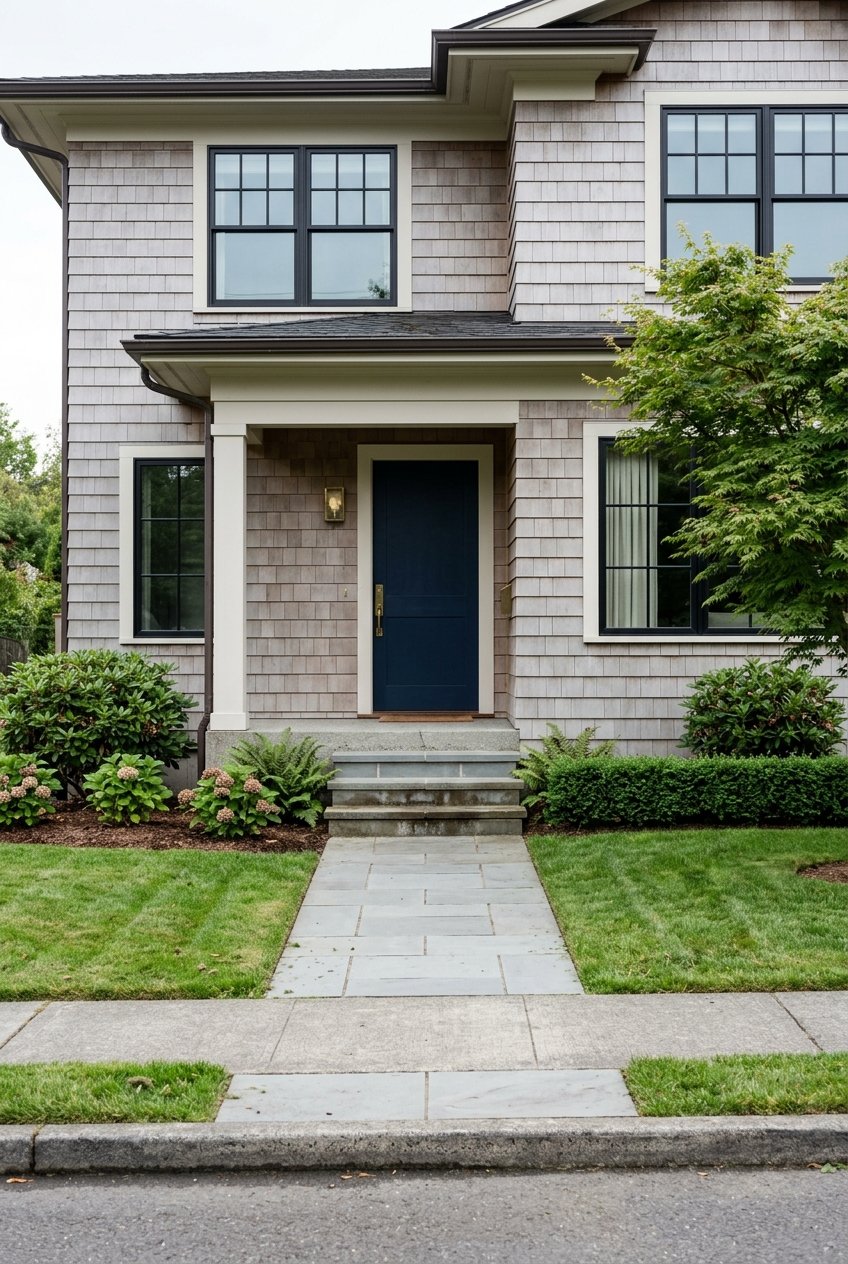
That means many homes may offer updated kitchens, baths, or systems, but they still come from an earlier building era. HistoryLink notes the first homes included large brick residences, while current neighborhood descriptions commonly reference Cape Cod, Tudor, and midcentury rambler styles built mainly from the 1930s into the 1950s.
For you as a buyer, age can be both a benefit and a responsibility. You may find architectural charm, mature landscaping, and more distinctive lot layouts, but you should also look closely at how well the home has been maintained or improved over time.
What to inspect carefully
In an older Blue Ridge home, it helps to look beyond surface updates. A polished remodel can be attractive, but the long-term value often depends on the condition of the underlying house and site.
Pay close attention to:
- Roof age and condition
- Windows and insulation performance
- Plumbing, electrical, and heating updates
- Drainage patterns around the home
- Retaining walls and visible site wear
- Signs of deferred maintenance
In a neighborhood where many homes have already been remodeled, the difference between a cosmetic update and a thorough improvement can matter a lot.
Understand the lot and hillside setting
Blue Ridge is a hillside community, and that topography can shape your ownership experience. The setting adds privacy and visual appeal, but it also means each lot should be evaluated on its own practical terms.
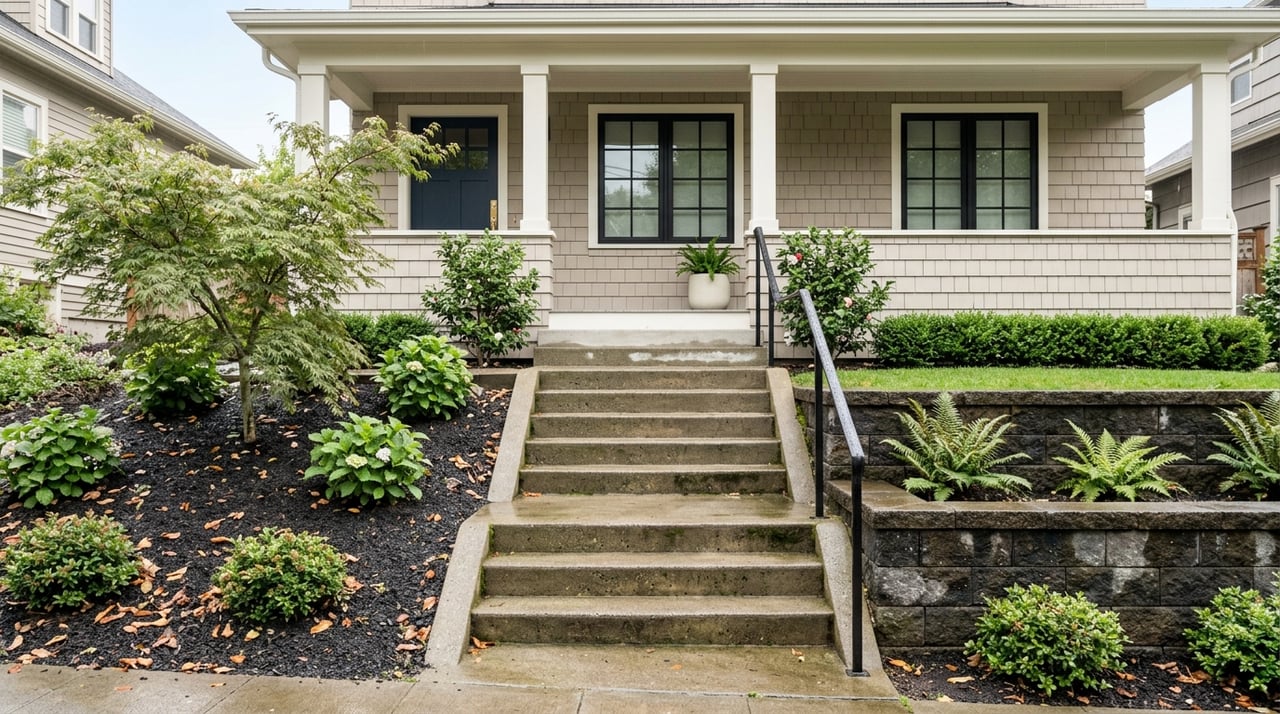
When you tour a property, notice how you move through the site. Driveway slope, stairs, drainage, tree coverage, retaining walls, and access during wet weather can all affect convenience, maintenance, and future project costs.
Some of the most attractive lots are also the ones that deserve the closest review. A great setting can come with more site complexity, so this is a place where in-person evaluation matters.
Questions to ask about the site
Before you commit, it is worth slowing down and asking practical questions such as:
- How steep is the driveway or approach?
- Does water move away from the house effectively?
- Are there retaining walls that may need future work?
- How much tree coverage affects light, maintenance, or views?
- Is access easy in rainy conditions?
These details may not be the first things you notice in listing photos, but they can strongly affect daily life and long-term ownership costs.
Views are part of the value
In Blue Ridge, view is not just a nice extra. It is a real pricing factor. King County describes the area as distinguished by westerly views toward Puget Sound, the Olympic Mountains, and Bainbridge Island, and notes that demand is extremely high with short listing periods.
That kind of market tells you something important. Homes with stronger, more usable, or more durable views are likely to attract more attention and stronger competition.
Not all views carry the same value, though. A partial glimpse is different from a view that opens up from the main living spaces, and a beautiful outlook today may not feel as secure if trees or nearby rooflines affect it over time.
How to evaluate a Blue Ridge view
If view is part of why you are buying, try to assess it in a practical way rather than relying only on marketing language.
Look for:
- Whether the view is visible from primary living areas
- How much of the outlook is open versus filtered
- Whether trees affect the sightline now
- How the lot sits relative to neighboring homes
- Whether the view feels durable, not just attractive at one angle
In a view-driven neighborhood, these distinctions can influence both what you pay now and how the home may compete later.
The HOA matters more than you think
In Blue Ridge, the homeowners association is a major part of ownership. Under Washington law, an HOA can adopt rules, amend budgets and reserves, impose assessments, regulate common areas, and charge fees and fines under its procedures.
The association is also required to maintain records such as financial statements, governing documents, minutes, and reserve studies when it has significant assets. For you, that means HOA due diligence should carry nearly as much weight as the property inspection itself.
Blue Ridge’s public site index also lists pages for architecture, projects under review, and prospective buyers information. That strongly suggests exterior changes and buyer onboarding are part of the community process.
HOA documents to review early
Before you move forward, ask to review the resale materials as early as possible. Key documents include:
- Current budget
- Annual financial statement
- Reserve study
- Governing documents
- Rules and use policies
- Recent meeting minutes
- Records of special assessments
- Any relevant architectural approvals tied to the home
Washington law also requires associations to retain materials used to approve or deny design and architectural requests for seven years. That can be especially relevant if a home has been expanded, remodeled, or altered on the exterior.
Questions to ask before making an offer
Because Blue Ridge includes shared amenities and a structured community framework, a few focused questions can save you surprises later.
Consider asking:
- What are the current dues?
- Have there been recent or planned special assessments?
- How is access to the pool, tennis, and private beach handled?
- What capital projects are coming up?
- What exterior work requires approval?
- Are there any unresolved architectural issues tied to the property?
These are not side questions in Blue Ridge. They are part of understanding what ownership really looks like.
Competition can move quickly
King County describes demand in this broader northwest area as extremely high, with short listing periods. In practical terms, that means you may not have much time to sort through uncertainty after a desirable home hits the market.
That does not mean you should rush blindly. It means you should prepare early, know which tradeoffs matter most to you, and understand how to separate a truly strong property from one that simply photographs well.
In Blue Ridge, buyers are often weighing several variables at once. A home may offer a better view but more site complexity, or stronger updates but stricter HOA considerations, or a larger lot with more maintenance exposure.
What smart preparation looks like
If you want to compete well in Blue Ridge, preparation usually means:
- Touring in person whenever possible
- Comparing homes on the same street or view corridor
- Reviewing HOA materials early
- Looking past finishes to site and structure
- Clarifying which features are must-haves versus nice-to-haves
That kind of preparation can help you move quickly without losing perspective.
What matters most before you commit
Blue Ridge tends to reward careful buyers. It is an amenity-rich, older Seattle neighborhood where private club access, hillside lots, detached homes, and view orientation all shape the buying decision.
If you are considering a home here, the key is to look at the full picture. Condition, topography, HOA rules, and view durability often matter just as much as layout and design.
When you understand those pieces early, you are in a much better position to make a strong offer for the right reasons. If you want a thoughtful, neighborhood-rooted perspective on buying in northwest Seattle, Strong Properties can help you evaluate the details that matter most.
FAQs
What should buyers know about Blue Ridge homes in Seattle?
- Blue Ridge homes are typically older detached houses built mainly from the mid-1930s through the 1950s, so you should pay close attention to maintenance, remodel quality, and site conditions.
How important is the HOA in Blue Ridge Seattle?
- The HOA is a central part of ownership in Blue Ridge because it can regulate common areas, budgets, reserves, assessments, and certain property-related rules, so reviewing the resale packet early is essential.
Why do views matter so much in Blue Ridge?
- Views are a major value driver in Blue Ridge because the area is known for westerly outlooks toward Puget Sound, the Olympic Mountains, and Bainbridge Island, and stronger views can increase buyer competition.
What lot issues should buyers check in Blue Ridge?
- Because Blue Ridge is a hillside community, you should look closely at slope, driveway grade, drainage, retaining walls, tree coverage, and wet-weather access.
Is Blue Ridge a fast-moving real estate market?
- King County describes demand in the broader northwest area as extremely high with short listing periods, so well-positioned homes in Blue Ridge may attract attention quickly.