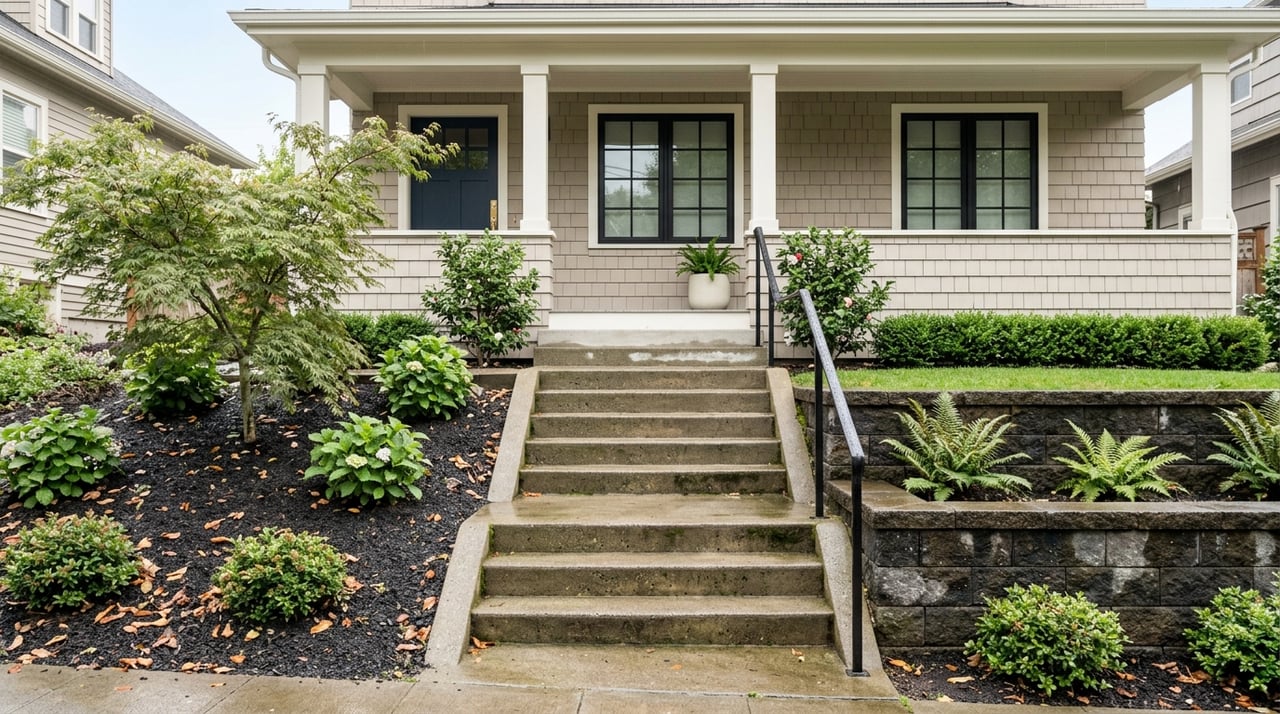
Wondering if you can actually live with less car time in Queen Anne, not just talk about it? That is a fair question, because this neighborhood can feel very different block by block. If you are buying here, the right fit often comes down to how your daily routine lines up with the hill, the transit options, and the kind of home you choose. Let’s dive in.
Why Queen Anne Works Car-Light
Queen Anne is not one uniform neighborhood. It is a hilltop area with a distinct upper-hill and lower-hill experience, and that difference matters if you hope to drive less often. Seattle planning and historic context materials describe Queen Anne as a prominent hill rising sharply from the city, with Uptown at the base and Upper Queen Anne on the hilltop.
In real life, car-light living here usually means driving is optional for many trips, not unnecessary for every household. The neighborhood has enough transit, pedestrian activity, and growing bike connections to support that lifestyle when your home matches your routine. That is the key idea to keep in mind as you tour properties.
Upper vs. Lower Queen Anne
Lower Queen Anne fits walk-first living
Lower Queen Anne, often called Uptown, is the easiest part of Queen Anne to picture for a car-light lifestyle. City materials describe it as a mixed-use urban center village with a broad combination of housing, retail, restaurants, offices, hotels, and everyday services.
That mix matters because it shortens the distance between home and daily needs. If you want a home base where errands, dining, Seattle Center outings, and transit connections can all stack into one compact routine, the lower hill has a strong advantage.
Upper Queen Anne feels more village-like
Upper Queen Anne offers a different kind of appeal. SDOT has described Queen Anne Avenue North less as a long retail corridor and more as a neighborhood village center, which is a helpful way to think about day-to-day life on the hill.
For many buyers, that creates a residential feel with a nearby shopping core rather than an around-the-clock urban pattern. If you like a quieter hilltop base and do not mind planning around elevation, Upper Queen Anne can still support a lighter-car routine.
Transit Options That Matter Most
If your goal is to rely less on a car, Queen Anne’s most useful transit options are practical, not theoretical. The routes that stand out in current service information are Metro Route 1, Route 2, RapidRide D Line, Route 8, and the Seattle Center Monorail.
These connections cover many of the trips buyers care about most, including downtown, Seattle Center, South Lake Union, Capitol Hill, First Hill, and the Chinatown/International District. That means your home search should include not just the address, but also how easily you can reach the stop you would actually use on a normal weekday.
Key routes to know
- Route 1 serves Queen Anne Hill, Lower Queen Anne, downtown, and the Chinatown/International District.
- Route 2 serves West Queen Anne, Seattle Center, downtown, First Hill, Seattle University, and Madrona Park.
- RapidRide D Line serves Lower Queen Anne at Queen Anne Ave N and W Mercer St and continues to downtown Seattle.
- Route 8 connects Lower Queen Anne, South Lake Union, and Capitol Hill.
- Seattle Center Monorail runs between Westlake and Seattle Center, with departures about every 10 minutes according to Seattle Center.
For some buyers, these routes can replace a large share of work and social driving. For others, they simply reduce the number of times you need to get in the car each week. Both outcomes can make a real difference in how a home feels over time.
Bike Access Is Improving
Biking is also becoming a more realistic part of daily life in and around Queen Anne. SDOT says it is building a two-way protected bike lane on Queen Anne Ave N between W Mercer St and Roy St to improve access to the North Downtown bicycle network.
The city also notes a protected bike connection between the 2nd Ave protected bike lane and Queen Anne Ave N by way of 1st Ave N. For buyers who want the option to bike to nearby districts or connect into downtown routes more comfortably, that is an important detail.
What this means for buyers
A bike-friendly setup is not just about city infrastructure. It is also about whether the home itself supports the habit. A condo with secure bike storage or a townhouse with easy street-level access may feel much more practical than a property where getting your bike in and out is a hassle.
How the Hill Changes Daily Life
Queen Anne’s slopes are not a small detail. They are central to how the neighborhood works. That is true whether you are walking home from groceries, heading to a bus stop, or taking a weekend park route.
For some buyers, the hill is part of the charm. For others, it can be the reason a home looks great on paper but feels less convenient after a long workday.
Upper hill living requires honest planning
If you are considering Upper Queen Anne, be realistic about the return trip home. The hilltop can work well for buyers who value a more residential setting and are comfortable with elevation as part of everyday life.
That does not mean it is inconvenient for everyone. It means the slope should be part of your buying decision, right alongside square footage, layout, and finishes.
What to Check During Home Tours
A car-light home is about more than proximity on a map. In Queen Anne, small details can have a big impact on whether your routine feels smooth or frustrating.
As you tour, focus on the features that shape weekday life most directly.
Your practical car-light checklist
- Check the slope from the front door to the nearest bus stop or retail area.
- Look at bike storage and ask whether it feels secure and easy to use.
- Consider parking reality if your household plans to keep one vehicle.
- Notice the path home after dark, in rain, or when carrying groceries.
- Think about frequency of trips you would actually make on foot or by transit.
These are the questions that tell you whether a home is truly supportive of a car-light routine, or simply located in a neighborhood with good headlines.
Errands and Weekends Without a Car
One of Queen Anne’s strongest lifestyle advantages is how errands and recreation can blend together. A typical outing might include a stop along Queen Anne Ave N, a transit ride to downtown or Seattle Center, and a walk through a hillside park on the way home.
That rhythm is part of what makes the neighborhood appealing to buyers who want more flexibility and less dependence on driving. It is not only about commuting. It is also about how your weekends and quick errands feel.
Parks reflect the neighborhood’s terrain
Seattle Parks describes Ward Springs Park as a base-of-Queen-Anne neighborhood park with views of downtown and the Space Needle. The city describes Bhy Kracke Park as a steep hillside park, and SW Queen Anne Greenbelt as a place where visitors hike down stairs into a forested area.
These spaces highlight something important about Queen Anne. Its stairs and slopes are part of the neighborhood identity, and they shape recreation just as much as transportation.
Which Buyers Usually Love Queen Anne Car-Light Living
Lower Queen Anne is often the best fit if you want the most transit-heavy, walk-first pattern. Buyers who value mixed-use surroundings, easier access to Seattle Center and downtown connections, and a denser everyday environment often find the lower hill especially compelling.
Upper Queen Anne often fits buyers who want a more residential atmosphere with a village-scale business district nearby. If you are comfortable trading some convenience for a quieter hilltop feel, the upper hill can be a very satisfying long-term match.
The Smart Way to Buy Here
The real story in Queen Anne is not whether the neighborhood is fully car-free. It is whether the specific home supports the way you want to live. In this neighborhood, the difference between a great fit and a frustrating one often comes down to block-by-block details.
If you are comparing homes in Upper Queen Anne and Lower Queen Anne, it helps to tour with your actual routine in mind. Think about commuting, grocery runs, weekend habits, and how often you want to drive versus simply having the option. If you want a thoughtful, neighborhood-specific buying strategy, Strong Properties can help you find a Queen Anne home that fits both your lifestyle and your long-term goals.
FAQs
Is Queen Anne Seattle good for car-light living?
- Yes, Queen Anne can support car-light living for many households, especially when you choose a home that matches your routine and your comfort with the neighborhood’s hills.
Is Upper Queen Anne or Lower Queen Anne better for transit access?
- Lower Queen Anne generally offers the easiest transit-heavy and walk-first lifestyle because of its denser mix of housing, retail, and major transit connections.
What bus routes matter most in Queen Anne Seattle?
- The most useful current routes for many buyers are Route 1, Route 2, RapidRide D Line, and Route 8, along with the Seattle Center Monorail connection.
Should buyers worry about the hills in Queen Anne?
- Yes, you should take the hills seriously because the slope between your home, transit stops, and daily errands can shape how practical car-light living feels.
What should homebuyers check for car-light living in Queen Anne?
- Focus on the walk to transit and shops, the steepness of the route, secure bike storage, and whether one-car parking still feels workable for your household.