Wondering whether a Ballard new build or a classic older home is the smarter buy? You are not alone. In a neighborhood where early-20th-century houses sit alongside newer townhomes and infill development, the choice often comes down to how you want to live now and what you want your home to do for you over time. This guide will help you weigh layout, maintenance, efficiency, and resale so you can make a more confident Ballard decision. Let’s dive in.
Why Ballard creates this choice
Ballard has a housing mix that makes side-by-side comparisons especially important. Seattle’s historic resources inventory notes home styles here include Victorian, Craftsman, American Foursquare, Colonial Revival, Tudor Revival, Minimal Traditional, Ranch, and other vernacular forms. At the same time, ongoing development has replaced some older homes with larger new houses and multifamily properties.
That contrast is part of Ballard’s identity. The Ballard Avenue Landmark District preserves modest commercial buildings from the 1890s through the 1940s, which reflects how much of the area’s character is tied to older built fabric. For buyers, that means you are not just choosing a home. You are often choosing between two very different living experiences.
Ballard is also a high-priced market. Redfin reported a median sale price of $890K in March 2026, up 6.6% year over year. With values at that level, the practical differences between a turnkey new build and a character home with update needs can matter quite a bit.
What newer Ballard builds offer
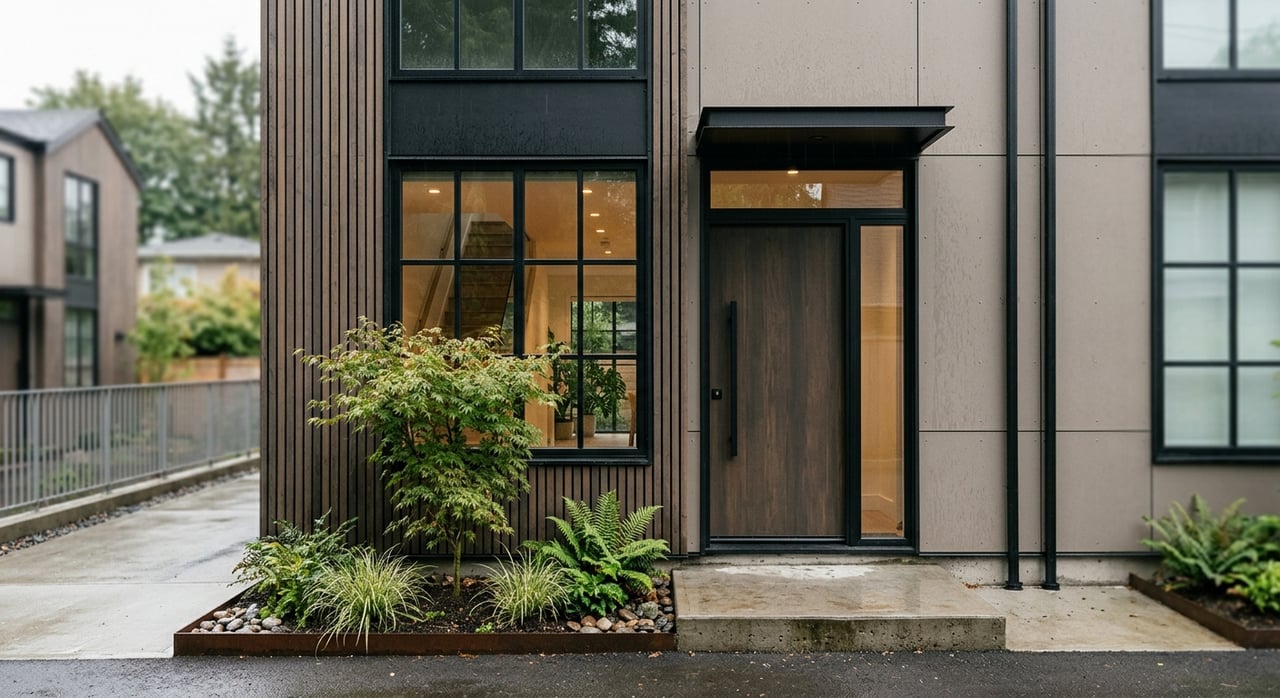
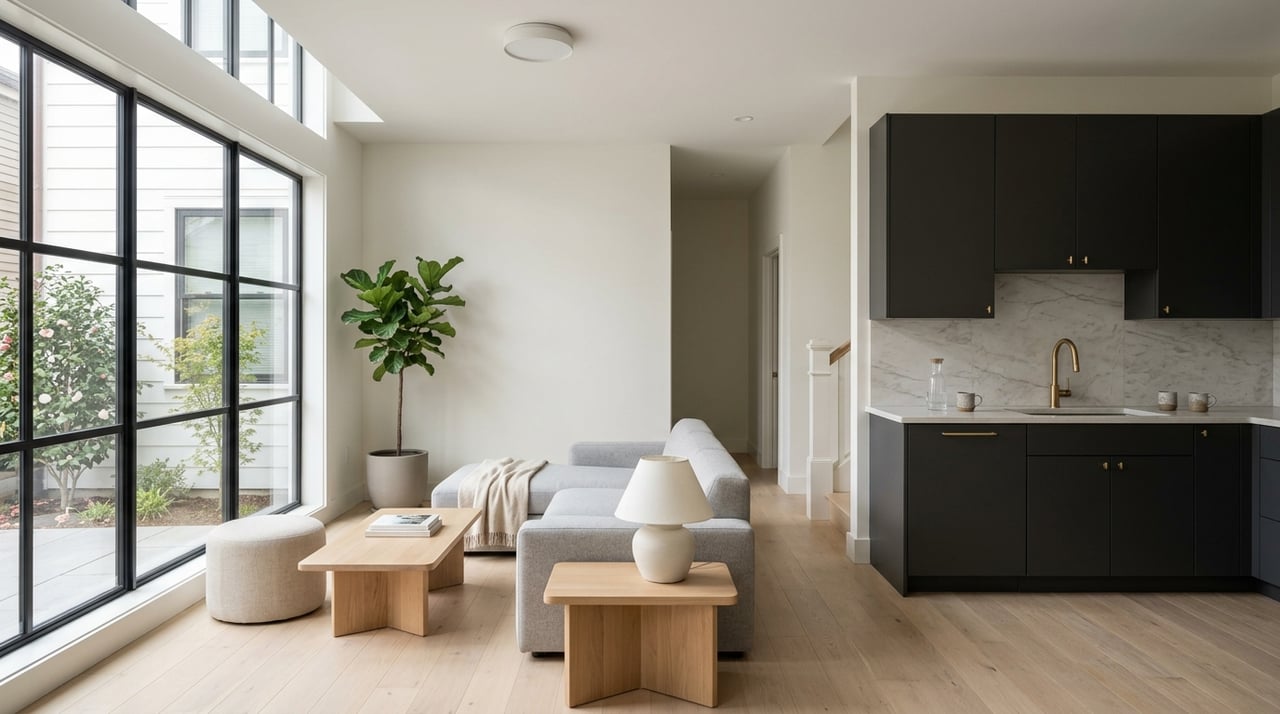
Newer townhomes and modern infill homes often appeal to buyers who want simplicity. In many cases, you get updated systems, a more current finish level, and a floor plan designed around how people use space today. If your priority is a home that feels more move-in ready from day one, newer construction can be compelling.
There is also an efficiency advantage built into the baseline. Seattle’s Energy Code regulates energy-use features in new and remodeled buildings, including the building envelope, HVAC, water heating, and lighting. For single-family homes, duplexes, and townhouses, that means new construction starts under a more current performance framework than much of Ballard’s older housing stock.
Some new homes may go even further. DOE says certified Efficient New Homes are designed for energy savings, comfort, health, and durability. DOE and EPA materials also note that ENERGY STAR-certified homes can be 40% to 50% more energy efficient than typical new construction homes and may see resale premiums of 2% to 8% in many markets.
That does not mean every new build is equal. It does mean buyers should pay attention to actual performance features, certifications, and build quality. In practical terms, a newer Ballard home may offer lower near-term efficiency risk, potentially lower utility costs, and a more turnkey first few years.
Tradeoffs of newer homes
Convenience usually comes with tradeoffs. In Ballard, newer homes often give you modern systems and code-driven performance, but may offer less lot space, less yard presence, and less historic texture. That pattern reflects the neighborhood’s development trend and the design realities of infill housing.
You may also notice a different kind of layout. Newer townhomes can feel efficient and vertical, which works well for some buyers and less well for others. The best fit depends on how you live day to day, not just how polished the home looks online.
What Ballard classic homes offer
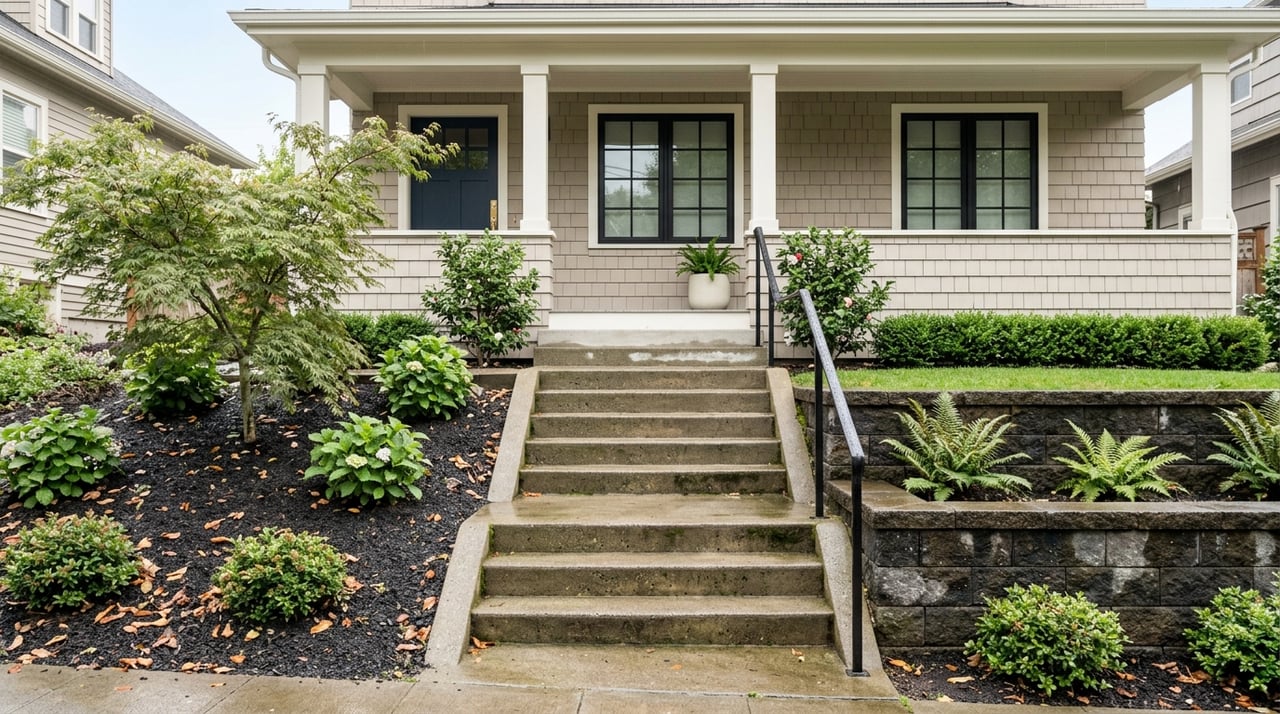
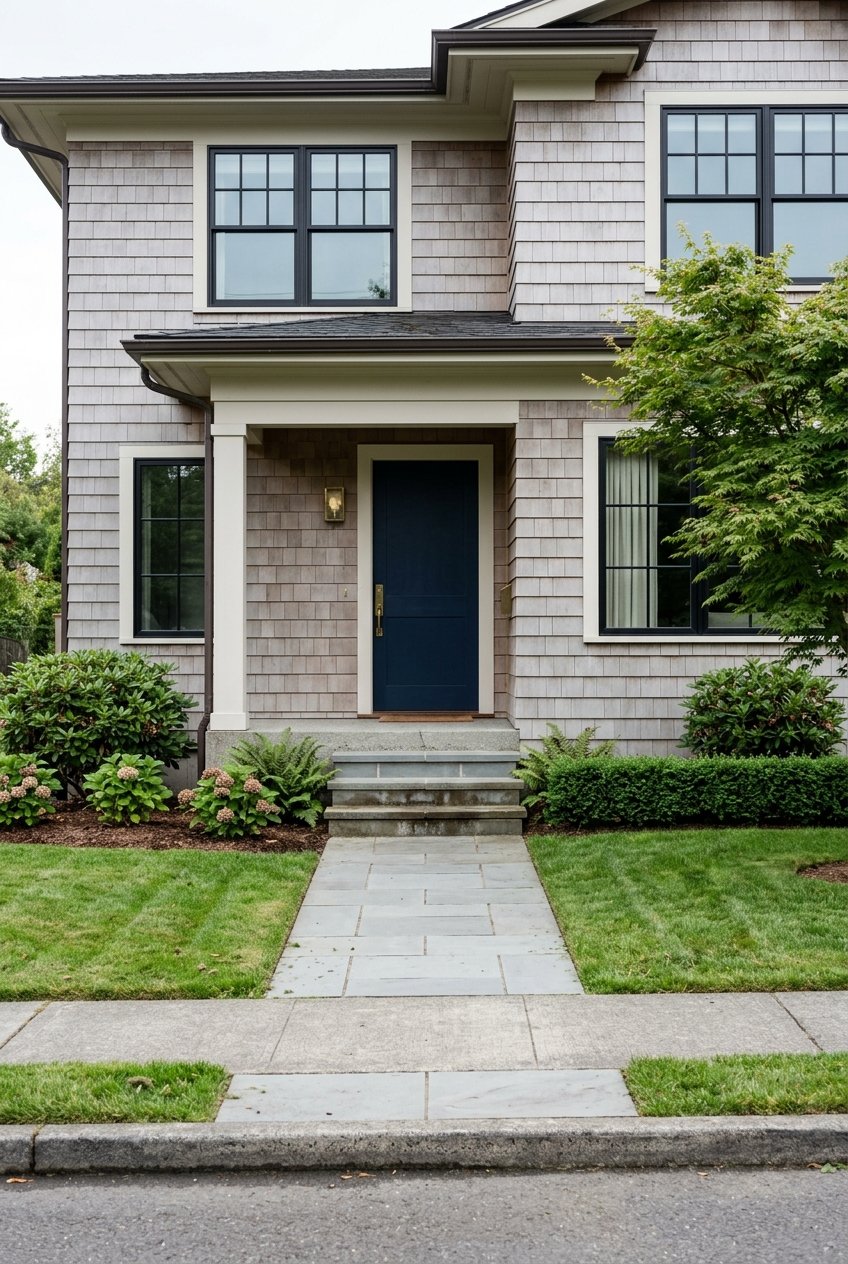
Classic Ballard homes tend to win on charm, architectural detail, and a sense of place. Seattle’s historic site records describe Ballard Craftsman examples with features like wood siding, side-gabled roofs, exposed rafters, knee braces, porches, and distinctive rooflines. These details help explain why older homes can feel more layered and specific than many newer builds.
Ballard’s older housing stock is not only Craftsman. Seattle’s historic inventory also includes postwar modern and vernacular homes, including a 1949 property in a Modern/Vernacular style. Mid-century modern homes in Seattle are often associated with flat roofs, deep eaves, and large picture windows, giving buyers another classic option beyond bungalow-style homes.
For many buyers, these homes offer an emotional pull that new construction cannot easily replicate. You may find more porch presence, basement utility, and a stronger connection to Ballard’s earlier streetscape. If character matters to you, older homes often deliver it in a way that feels authentic rather than styled.
Tradeoffs of classic homes
Older homes usually come with more variables. DOE says many older homes have less insulation than homes built today and recommends air sealing before adding insulation. DOE also notes that insulation upgrades can pay for themselves within a few years, which means efficiency gaps are often improvable, but they still require planning.
There is also seismic risk to consider. Seattle’s Earthquake Home Retrofit handbook says many wood-frame homes built in Washington before 1965 may not be adequately bolted to their foundations. The city offers a retrofit permit path for qualifying homes, so this is not necessarily a deal breaker, but it is an important item to evaluate if you are considering an older Ballard property.
Compare layout before style
A smart way to approach this decision is to compare the floor plan first and the style second. Newer Ballard townhomes and infill homes often prioritize compact efficiency and updated systems. Older homes may offer porches, basements, and a more distinct architectural profile.
Neither format is automatically better. What matters is whether the home supports your routine. Think about where you work, how often you cook, whether you want outdoor space, and how you feel about stairs, storage, and flexible rooms.
The strongest conclusion from Ballard’s housing mix is simple: evaluate each home on its actual layout and condition, not just on whether it is labeled new construction or classic. In a neighborhood this varied, broad assumptions can cause you to miss the better fit.
Factor in maintenance early
Maintenance is often where the real difference shows up. Newer construction generally lowers the odds of immediate major projects because the structure and systems are being built to current code. That can reduce the chance of short-term spending on big-ticket items.
With older homes, the opportunity is different. You may be buying character and long-term upside, but you should also be ready to budget for insulation, air sealing, heating updates, or seismic anchoring depending on the property’s condition and prior improvements. The key is not to fear older homes, but to price in realistic ownership costs from the start.
A practical question to ask is what would likely need attention in the first one to three years. That timeline can help you compare homes more clearly than a simple age-based judgment. A well-maintained older home may feel more manageable than a poorly executed new build.
Think beyond sticker price on efficiency
Energy efficiency should be part of your Ballard comparison, especially at current price points. New homes start from a stronger baseline because of Seattle’s current code framework. That can make ownership feel more predictable in the near term.
Older homes can still become strong performers. The more useful question is whether important upgrades have already been made. Look at insulation, air sealing, and heating equipment rather than assuming every older house will be inefficient forever.
If you are comparing two homes with similar purchase prices, efficiency can influence your monthly cost and your comfort level. Over time, that can shape how satisfied you feel with the purchase, especially in Seattle’s cooler months.
Resale matters in both categories
Both home types can have resale appeal in Ballard, but they often attract different buyers. Well-kept classic homes may benefit from the scarcity of older architectural character in a neighborhood under development pressure. Newer homes can appeal strongly to buyers who want lower maintenance and better efficiency.
At a median sale price near $890K, details that seem small can matter later. Operating costs, update burden, and how flexible the floor plan feels can all influence future buyer demand. That is one reason it helps to buy with both your present lifestyle and your likely resale audience in mind.
The goal is not to chase a perfect universal winner. It is to choose the type of value that best matches your priorities. In Ballard, that often means deciding whether you care more about turnkey ease or architectural personality.
Questions to ask before you decide
Before you choose between a Ballard new build and a classic home, ask yourself:
- Does this home support how you actually live every day?
- What updates or projects might come up in the first one to three years?
- Have insulation, air sealing, and heating systems already been improved?
- If the home is older, does it need seismic retrofit work or other safety updates?
- Will this home likely appeal to a broad future buyer pool, or mostly to buyers who want a specific style?
These questions can help you cut through surface-level appeal. A beautiful kitchen or charming porch matters, but so do comfort, cost, and flexibility over time.
If you want a thoughtful read on how a specific Ballard property fits your goals, working with a local advisor can make the comparison much clearer. For tailored guidance on Ballard homes, lifestyle fit, and long-term value, connect with Strong Properties.
FAQs
What is the main difference between Ballard new builds and classic homes?
- New builds often offer more current systems, code-driven efficiency, and a turnkey feel, while classic homes often offer more architectural character, older design details, and potential update opportunities.
Are Ballard new builds usually more energy efficient?
- Yes, newer homes generally start from a stronger efficiency baseline because Seattle’s Energy Code applies to new residential construction, including single-family homes, duplexes, and townhouses.
Do older Ballard homes always need major updates?
- No, but older homes can carry more retrofit risk, so it is wise to check whether insulation, air sealing, heating equipment, and seismic improvements have already been addressed.
What should buyers check in an older Ballard home before making an offer?
- Buyers should review the home’s condition, likely near-term repairs, insulation and air sealing status, heating system updates, and whether a pre-1965 wood-frame home may need foundation bolting or seismic retrofit work.
Which has better resale potential in Ballard: new construction or a classic home?
- Both can resell well, but for different reasons. Classic homes may attract buyers who value Ballard’s older character, while newer homes may attract buyers who want lower maintenance and stronger efficiency.
Is Ballard mostly older homes or newer development?
- Ballard has a mix of both. The neighborhood includes early-20th-century housing and newer infill, townhomes, and multifamily development, which is why buyers often face this exact comparison.