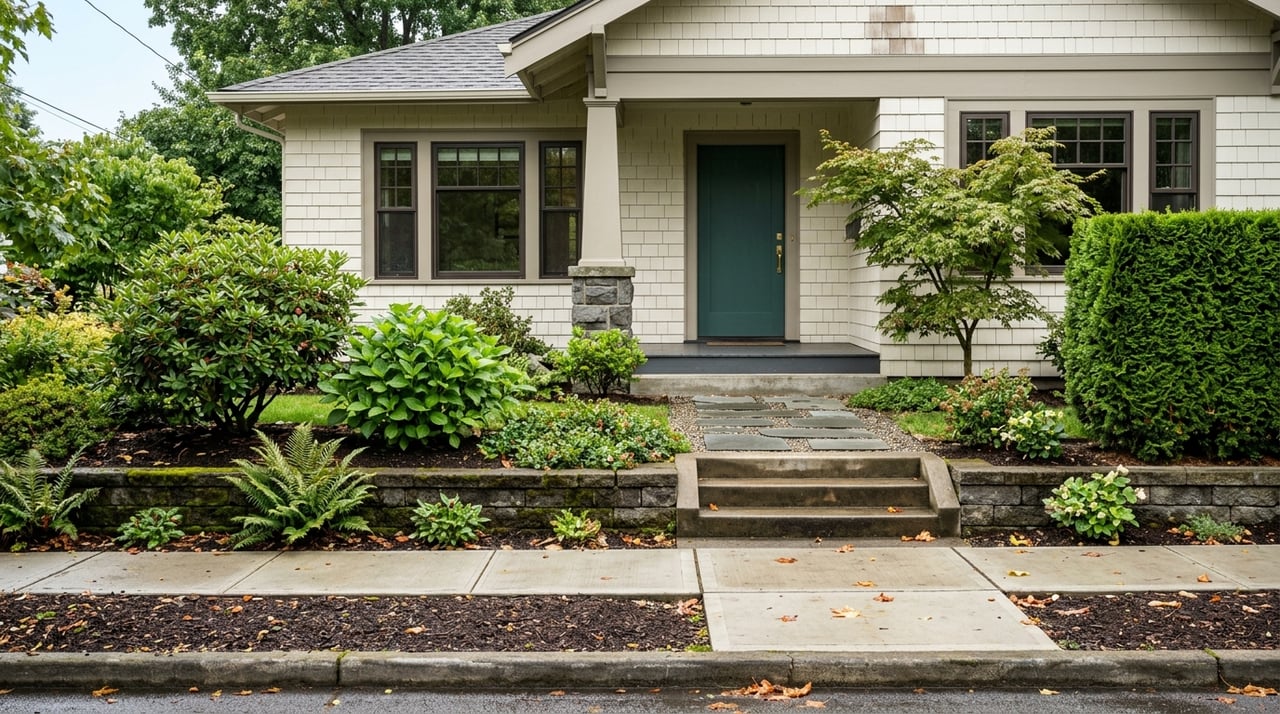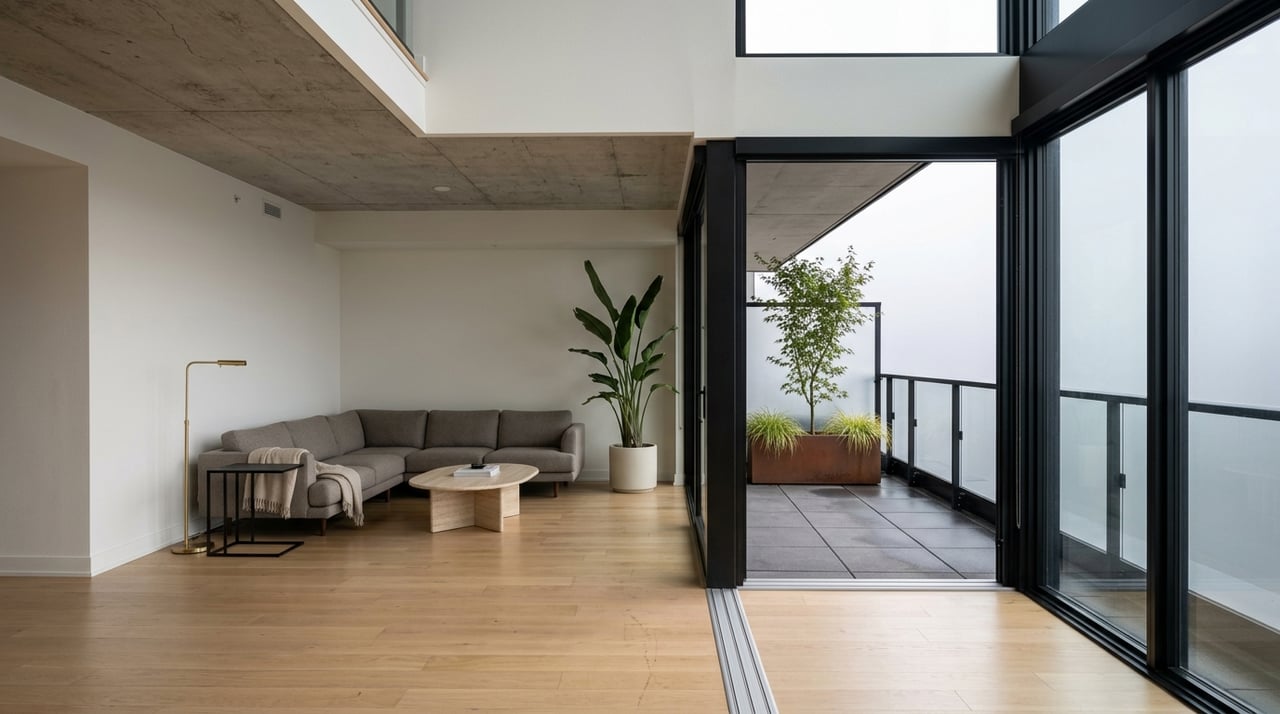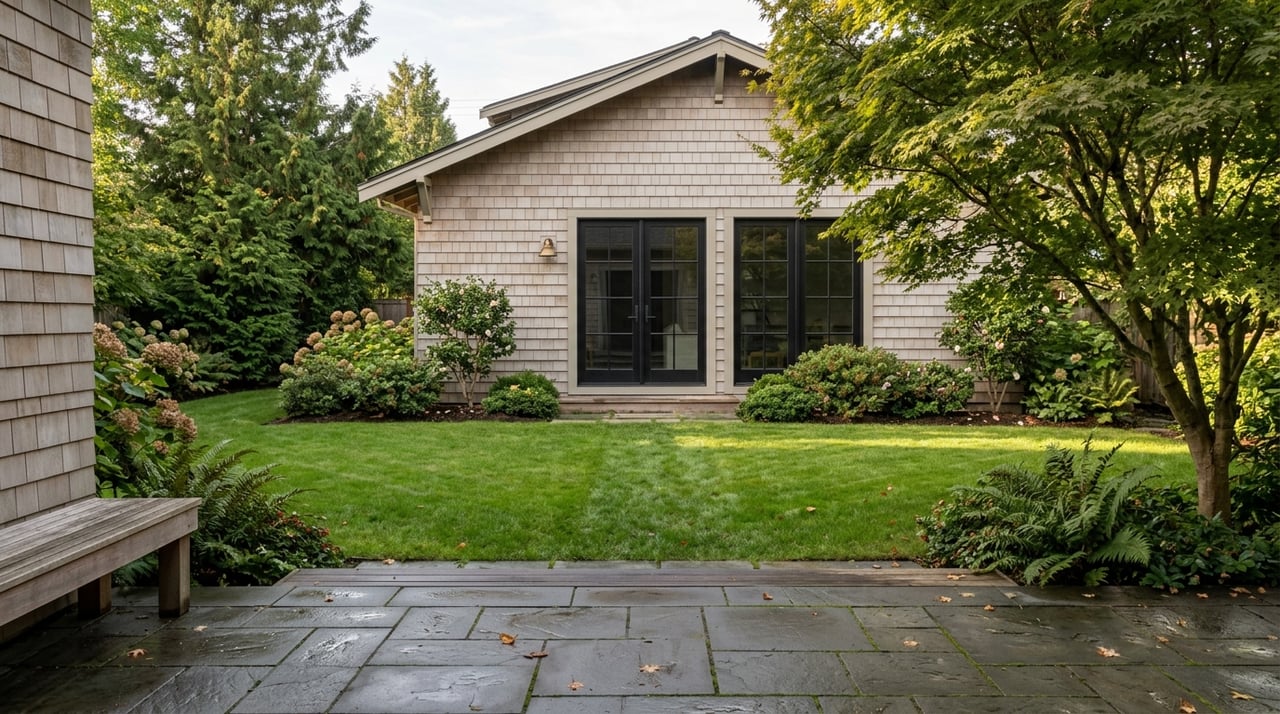
Wondering why one Blue Ridge home sells around entry-level Seattle pricing while another climbs well into the luxury range? In this pocket of northwest Seattle, the answer is rarely just square footage. If you are buying, selling, or simply trying to understand value in Blue Ridge, it helps to know how views, lot position, privacy, condition, and amenities shape pricing here. Let’s dive in.
Why Blue Ridge pricing is different
Blue Ridge is a small neighborhood, and that alone makes pricing more nuanced. Seattle’s City Clerk indexes it as North Beach / Blue Ridge, while King County Assessor Area 39 groups it with nearby northwest Seattle areas like Broadview, North Beach, Sunset Hill, Crown Hill, and Shilshole.
That matters because broad neighborhood averages can miss what is really happening on a specific street. Blue Ridge is better understood at the micro level, especially when you are looking at view corridors, lot orientation, and privacy. Two homes only a few blocks apart can land at very different price points.
The neighborhood’s physical setting also creates scarcity. HistoryLink describes Blue Ridge as roughly 450 homes on a 200-acre cul-de-sac bordering Carkeek Park, with much of its first major development happening from the mid-1930s through the 1950s. In a neighborhood this small, there are simply fewer truly comparable sales at any given time.
View corridors drive the biggest premium
If you are trying to understand Blue Ridge pricing, start with the view. King County notes that Area 39 is known for westerly views toward Puget Sound, the Olympic Mountains, and Bainbridge Island, and estimates that about 35% of properties have some kind of view amenity.
That does not mean all views are equal. A clear, open western outlook usually carries a very different value than a partial glimpse or a setting framed mostly by rooftops and trees. Historically, Blue Ridge Drive has been one of the streets with the most expansive views, which helps explain why homes there can stand out in both price and buyer demand.
For sellers, this means your view should be evaluated carefully, not casually mentioned as a nice feature. For buyers, it means you should be cautious about comparing a no-view sale to a prime view property without making a serious adjustment for that difference.
Lot orientation and elevation matter
In Blue Ridge, lot position can be almost as important as the home itself. Street elevation, how the house sits on the lot, and whether the home faces west all affect how much of the view you actually experience from the main living spaces.
King County’s Area 39 report highlights severe topography in parts of the area and notes that the northwest portion includes large, wooded lots with a high degree of privacy. In practical terms, even small differences in setback, slope, and orientation can change both the feel of a property and its market value.
A bluffside or elevated lot with an open outlook often performs differently from an interior lot tucked behind other homes. When inventory is limited, these details become even more important because buyers are often paying for a specific setting, not just a floor plan.
Privacy adds real value
Privacy is one of the less obvious drivers of Blue Ridge home prices, but it is a meaningful one. The assessor describes parts of Area 39 as having estate-sized wooded lots and a high degree of privacy, which is hard to replicate in many Seattle neighborhoods.
This kind of privacy can show up in several ways:
- Mature tree cover
- Larger lot dimensions
- Greater distance from neighboring homes
- Quiet interior street placement
- Limited visual exposure from the road
When you combine privacy with a strong view, the premium can become substantial. Even without a major remodel, a home with a rare sense of seclusion may attract stronger interest than a similar house in a more exposed setting.
Condition and remodel quality can outweigh size
Blue Ridge has a large share of older homes, many dating back to the 1930s through 1950s. That gives the neighborhood much of its character, but it also means condition varies widely from house to house.
King County says the typical home in Area 39 is Grade 8, with higher-grade homes appearing at Grades 9 through 11 in its sample profile. The same report notes that remodel activity remains brisk. For pricing, that means buyers are often distinguishing sharply between an original home that may need updates and a thoughtfully improved home that feels move-in ready.
A well-updated mid-century property can outperform a similarly sized home that has not been improved. That is especially true when the remodel supports the home’s setting, such as opening up western-facing living areas, improving window lines, or modernizing finishes in a way that matches buyer expectations at a higher price point.
Amenities can lift value
Blue Ridge was planned as a residential community with shared recreational amenities, and those features still matter. According to King County, the Blue Ridge sub-area has a homeowner’s association that operates a common beach area, indoor swimming pool, and tennis courts.
The neighborhood also sits next to Carkeek Park, which offers trails, beach access, and views of Puget Sound and the Olympic Mountains. For many buyers, that combination of private neighborhood amenities and nearby natural access adds to the appeal.
These factors do not replace the impact of a strong view or superior lot position. Still, they can help explain pricing differences among homes that are otherwise fairly similar on paper.
Nuisance factors can pull pricing down
Not every Blue Ridge location carries the same value story. King County notes that a heavily used Burlington Northern railroad track runs along the western border of Area 39, and some Blue Ridge parcels are affected by train noise.
This is one reason broad averages can be misleading. A home with similar size, style, and even a decent view may still sell for less if buyers perceive more noise or less privacy.
For sellers, this means pricing strategy needs to reflect both strengths and tradeoffs. For buyers, it is a reminder to compare homes in person whenever possible and to weigh the full setting, not just the photos and specs.
Why the price spread is so wide
Blue Ridge is a specialized market inside a larger, still-competitive King County market. NWMLS reported that in April 2026, King County’s median sales price was $859,000 and the broader NWMLS market had 3.27 months of inventory, below the 4 to 6 months many observers consider balanced.
Within Blue Ridge, the range can be dramatic. Recent reported sales cited in the research span from a 794-square-foot, 2-bedroom, 1-bath home at $810,000 to larger view-oriented homes at $3.662 million and $3.75 million, with the higher-end properties marketed around unobstructed Puget Sound and Olympic Mountain views and major remodels.
That spread tells you something important. In Blue Ridge, square footage matters, but it does not explain everything. View quality, lot placement, privacy, condition, and amenity access can shift value by several hundred thousand dollars or more.
How to read Blue Ridge comps correctly
If you are trying to price a home or evaluate an asking price, use a tighter lens. In Blue Ridge, comparable sales work best when they match the subject property in the areas that buyers care about most.
Here is a smart way to read comps in this neighborhood:
Match the view tier first
Compare a clear Sound, Olympic, or Bainbridge outlook with homes that offer a similar experience. If you mix full-view, partial-view, and no-view properties without careful adjustment, the price analysis will get distorted quickly.
Compare lot position closely
Look at elevation, setback, bluff or interior placement, and tree coverage. In a neighborhood with varied topography, those factors can create meaningful price gaps even between homes that seem similar online.
Weigh condition and design quality
Bed and bath count only tell part of the story. In Blue Ridge, a higher-grade or better-remodeled home may command a premium over an older home with a similar footprint.
Include amenities and nuisances
Shared beach, pool, and tennis access can support value. Railroad proximity and noise exposure may lower it.
Expand carefully when inventory is thin
Because Blue Ridge is so small, there may not always be enough direct neighborhood sales to build a complete picture. In those cases, it can be helpful to review nearby northwest Seattle records within the broader North Beach / Blue Ridge or Area 39 context, while still making careful adjustments for Blue Ridge’s unique positioning.
What this means if you are selling
If you own a Blue Ridge home, pricing should go far beyond a quick automated estimate. Your home’s value may hinge on details that generic tools cannot measure well, including the exact width of the view corridor, the privacy of the lot, the level of updating, and whether buyers will see your setting as especially scarce.
Presentation matters too. In a neighborhood where view and lifestyle carry weight, strategic preparation, strong photography, and a clear pricing narrative can help buyers understand why your property belongs in a certain range.
What this means if you are buying
If you are buying in Blue Ridge, it helps to know what you are truly paying for. A higher price may reflect more than just a larger house. It may represent a better view line, a more private lot, stronger remodel quality, or access to features that are hard to duplicate elsewhere.
The key is to compare homes in context. When you do, the pricing starts to make more sense, and you can make a more confident decision about value.
If you want a more tailored read on Blue Ridge pricing, view premiums, or how your home would compete in today’s northwest Seattle market, Strong Properties can help you assess the details that really move value.
FAQs
What drives Blue Ridge home pricing most?
- The biggest factors are view corridor, lot orientation, privacy, home condition, remodel quality, and access to shared amenities.
Are all Blue Ridge views valued the same way?
- No. A clear, open view of Puget Sound, the Olympic Mountains, or Bainbridge Island typically carries a stronger premium than a partial or obstructed view.
Why are Blue Ridge comps harder to interpret?
- Blue Ridge is a small neighborhood with limited inventory, varied topography, and meaningful differences from one street or lot to the next.
Do older homes in Blue Ridge sell for less?
- Not always. Many homes date to the 1930s through 1950s, and well-updated properties can outperform similarly sized homes that have more original condition.
Do neighborhood amenities affect Blue Ridge values?
- Yes. King County reports that the Blue Ridge sub-area includes HOA-operated amenities such as a common beach area, indoor pool, and tennis courts, which can support value.
Can railroad noise affect Blue Ridge pricing?
- Yes. Some parcels near the western border of Area 39 are affected by train noise, which can influence buyer perception and pricing.