Selling an estate home in Washington Park is rarely a simple list-and-go process. You are often balancing emotion, timing, privacy, paperwork, and the pressure to present a one-of-a-kind property the right way. The good news is that with a clear plan, you can protect the home’s story, reduce surprises, and position it well for today’s market. Let’s dive in.
Why Washington Park estate homes need a different strategy
Washington Park stands apart because buyers are not just evaluating a house. They are also responding to the setting, the mature landscape, and the long-term character that comes with living near the Washington Park Arboretum and Seattle Japanese Garden. With the Arboretum spanning 230 acres and offering a deeply established natural backdrop, location value here often feels more layered than in a typical in-city listing.
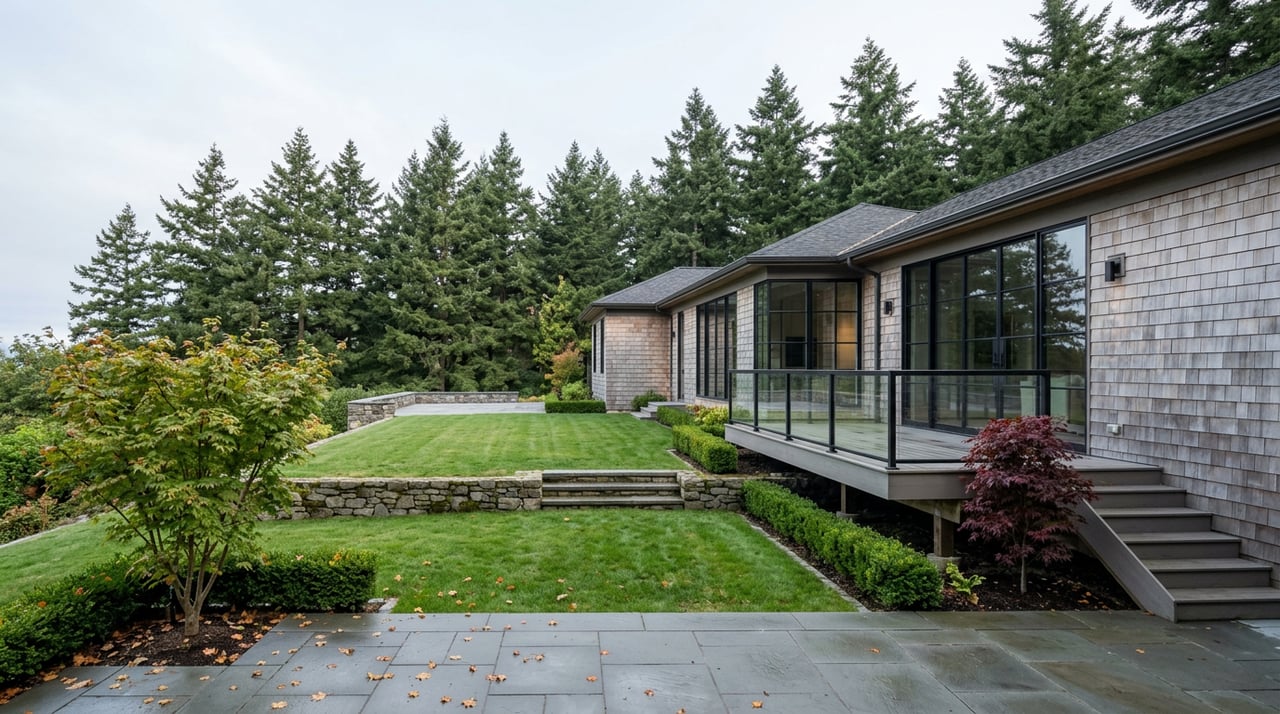
That means your sale strategy should go beyond square footage, finishes, and bedroom count. In many cases, the strongest value drivers are the home’s relationship to the landscape, its architectural era, its garden outlooks, and its place within this lake-and-park corridor. Buyers in this part of Seattle often notice permanence and setting as much as polish.
Start with the home’s story
If you are selling a legacy property, one of the first steps is to gather the history of the home. That can include the architect, year built, original details, major updates, material choices, and any notable landscape features. Even when a property is not formally protected, this background can help shape a stronger and more memorable listing narrative.
Seattle also has an active preservation system, with eight historic districts created since 1970 and more than 400 individual landmarks designated since 1973. If your property is individually landmarked or located within a preservation district, exterior changes may require city review and a Certificate of Approval. Before making visible updates, it is wise to confirm whether any review requirements apply.
What to collect early
Before you decide what to fix, refresh, or remove, assemble a simple property file. This helps you make better decisions and supports a smoother sale process later.
- Permit records
- Contractor invoices
- Warranties
- Prior inspection reports
- Maintenance records
- Design history or renovation notes
- Information about original materials or historic features
Prepare the house like a curated project
Estate homes usually perform best when preparation is thoughtful, not excessive. Rather than treating the property like a generic listing, focus on the work that improves presentation, clarifies condition, and supports buyer confidence. In a market with more inventory and less urgency than the tightest recent years, careful preparation matters more.
NWMLS reported in May 2026 that active listings reached 21,381, up 16.8% year over year, with months of inventory at 3.44. That is still below the 4 to 6 months many consider balanced, but it also means sellers cannot rely on scarcity alone. In Washington Park, differentiation now comes from pricing, presentation, and a well-managed launch.
Decide what is worth doing
Not every project should happen before sale. Seattle’s Department of Construction and Inspections says most projects require a permit, including additions and remodels, and deck work often triggers permit review. Tree removal on private property may also require approval.
That matters because Washington’s seller disclosure form asks about prior alterations and whether permits or variances were obtained. If you are considering repairs or improvements, start by reviewing what has already been done and whether the documentation is complete. Often, the smartest pre-listing work is the work that improves appearance, addresses known concerns, or fills a documentation gap.
Focus on visible impact
For many estate homes, the best updates are the ones that let the architecture speak. Clean interiors, simplified rooms, repaired deferred maintenance, and polished outdoor spaces often do more than expensive remodels completed under pressure.
The goal is to remove distraction so buyers can focus on original millwork, built-ins, fireplaces, windows, and garden views. In a home with legacy character, over-improving can sometimes dilute what makes the property special.
Surface known issues early
Older homes often raise more buyer questions, especially around roofs, drainage, structural work, easements, and past repairs. Washington law requires a completed seller disclosure statement for improved residential property unless an exemption or waiver applies. Delivery generally must occur no later than five business days after mutual acceptance, and the buyer then has a three-business-day rescission window after delivery unless the parties agree otherwise.
The practical takeaway is simple: bring known issues forward early. When you identify concerns before the home goes live, you can decide whether to repair them, document them clearly, or price with them in mind. That usually creates a calmer process than discovering them during negotiations.
Questions to answer before listing
Ask yourself these process questions early in the timeline:
- What must be removed before photos?
- What repairs should be completed before disclosure?
- Do any planned repairs require permits or city approval?
- Are there old projects that need documentation?
- Are there drainage, roof, or structural concerns buyers are likely to ask about?
Stage for character and scale
Staging is especially valuable in a Washington Park estate sale because it helps buyers imagine how they would live in the home today while still appreciating its original character. According to NAR’s 2025 staging report, 83% of buyers’ agents said staging made it easier for buyers to visualize a property as a future home. Another 29% of sellers’ agents said staging led to a 1% to 10% increase in the dollar value offered.
In a legacy property, staging should not compete with the house. It should support the architecture, soften visual clutter, and bring focus to the features that create emotional connection. That often means a lighter hand, fewer pieces, and a strong emphasis on flow, proportion, and views.
Smart staging priorities for estate homes
- Simplify crowded rooms
- Highlight fireplaces, built-ins, and millwork
- Open sightlines to gardens and windows
- Use furnishings that fit the scale of the home
- Minimize personal items and visual noise
- Let architectural details carry attention
Market publicly, but control access carefully
Privacy is often a major concern when selling an estate property. In Washington, that concern now has to be managed within the state’s public-marketing rules. The Department of Licensing says SSB 6091 largely bans pocket listings and requires residential real estate to be marketed to the general public and all brokers, unless limited marketing is reasonably necessary to protect the health or safety of the owner or occupant.
Just as important, public marketing does not require open access to the property. That gives you room to maintain discretion while still complying with the rules. For many Washington Park sellers, the better strategy is controlled visibility rather than private-only exposure.
What controlled visibility can look like
A selective public launch can still feel highly curated. The key is to manage the buyer experience without hiding the listing.
- Strong photography
- A concise, thoughtful property story
- Appointment-only showing windows
- Pre-qualification before access
- Careful control of personal information in marketing materials
Lead with Washington Park’s place-based appeal
Some homes sell on finishes alone. Washington Park estate homes usually need a broader story. The neighborhood’s mature tree canopy, proximity to the Arboretum, Japanese Garden, and lake-adjacent setting give many properties a sense of privacy and permanence that buyers cannot easily replicate elsewhere.
That means your marketing should describe the experience of the property, not just the specifications. Outlooks, garden relationships, walkability to the Arboretum, and architectural pedigree often deserve as much attention as room count or updated surfaces. For the right buyer, those details are not secondary. They are the reason to act.
Build your timeline around the next move
A successful sale is not just about launch day. It is also about what happens before and after closing. NAR’s 2025 Profile of Home Buyers and Sellers found that the typical seller had owned the home for a record 11 years, and 54% of repeat buyers used proceeds from the sale of a previous home to finance their next purchase.
If your sale is helping fund a move, timing matters. Clean-out, repairs, staging, listing, offer review, closing, and temporary housing should be mapped before the property hits the market. That is often what separates an orderly transition from a stressful one.
A practical sale sequence
For many Washington Park estate sellers, this workflow keeps the process moving clearly:
- Inventory the property and contents
- Gather permits, maintenance records, and design history
- Complete only the repairs that improve presentation or close documentation gaps
- Stage with the home’s era and architecture in mind
- Launch publicly with controlled access
- Coordinate the closing date with your next purchase or move
Why preparation matters more in today’s market
King County had the highest county median price in the NWMLS May 2026 snapshot at $875,000. At the same time, the broader market showed more inventory and a slower pace than the peak frenzy years. That does not weaken a standout Washington Park property, but it does raise the bar for execution.
Today, buyers often have more options and more time to compare them. That is why estate-home sellers benefit from a polished plan, complete documentation, and marketing that captures both condition and character. When your presentation is intentional, the home has a better chance to stand out for the reasons that matter.
If you are preparing to sell an estate home in Washington Park, a tailored plan can make the process feel more manageable and much more effective. Strong Properties brings a boutique, high-touch approach to pricing, preparation, presentation, and negotiation so you can move forward with clarity and confidence.
FAQs
What makes selling an estate home in Washington Park different from selling another Seattle home?
- Washington Park buyers often respond strongly to setting, mature landscape, architectural character, and proximity to the Arboretum and Japanese Garden, so the sale strategy usually needs to highlight more than just finishes and square footage.
What paperwork should you gather before listing an estate home in Washington Park?
- Start with permit records, contractor invoices, warranties, prior inspection reports, maintenance records, and any design or renovation history that helps explain the home’s condition and improvements.
Do repairs on a Washington Park estate home always need permits?
- Not always, but Seattle says most projects require a permit, including many additions and remodels, while deck work often triggers review and tree removal on private property may also require approval.
Can you sell a Washington Park estate home privately?
- Washington’s public-marketing rules generally require residential listings to be marketed to the general public and all brokers, but you can still control access through appointment windows, pre-qualification, and carefully managed showings.
When should you complete the seller disclosure for a Washington Park estate home?
- Washington law generally requires delivery of the completed seller disclosure statement no later than five business days after mutual acceptance, so it helps to identify known issues and gather documentation well before listing.