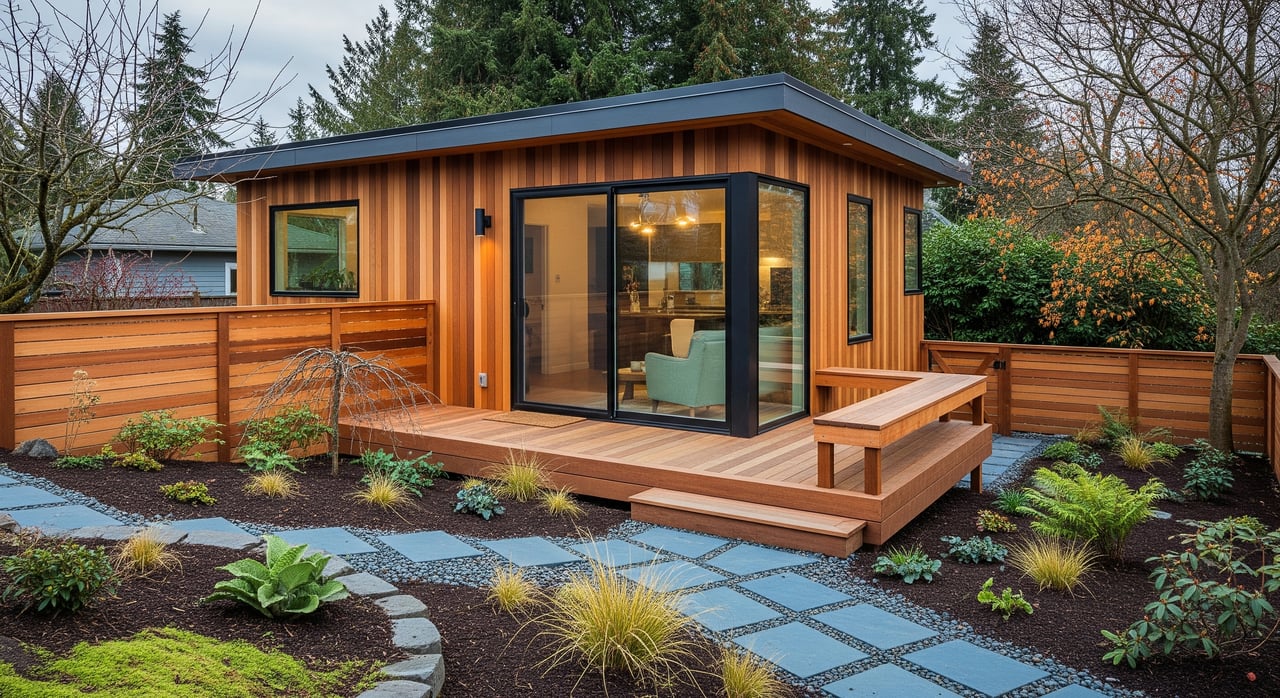
Thinking about adding an ADU or backyard cottage to your Ballard home but not sure where to start? You are not alone. Seattle’s rules are more flexible than they used to be, yet your lot’s specifics, alley access, and historic context can make a big difference. In this guide, you will learn how to assess feasibility, navigate permits, plan timelines and budgets, and choose the best use for long-term value. Let’s dive in.
What changed in Seattle ADU rules
Seattle relaxed many single-family zoning restrictions beginning in 2019 so more homeowners could add accessory dwelling units. You can consider either an attached ADU within or connected to your house, or a detached ADU in the backyard, often called a DADU.
Ballard is fully within Seattle city limits, so the citywide rules apply. Neighborhood details still matter. Many Ballard lots are smaller or alley-facing, and some properties sit within or near historic areas like the Ballard Avenue Historic District. Those factors shape what is feasible, how design is reviewed, and how quickly permits move.
First check feasibility on your Ballard lot
Before you sketch layouts or call builders, confirm whether your specific property can host an ADU or DADU.
Zoning and lot status
- Confirm your zoning designation and that your lot was lawfully created for single-family use. Rules for ADUs vary by zone, and multifamily or mixed-use areas have different standards.
- Review your title, plats, and any lot-line adjustments. Nonconforming lots or recorded covenants can limit options.
Size, setbacks, and placement
- Seattle sets maximum sizes for attached and detached accessory units, plus limits on height, lot coverage, and floor area. The exact numbers can change, so verify with the city before committing to a design.
- DADUs are typically located behind the primary house and must meet side and rear setbacks. Attached or interior ADUs follow different rules.
Alleys, access, and utilities
- Ballard’s alleys are often an advantage. Rear access can simplify construction staging, parking, and utility routing.
- Confirm water, sewer, and power. Most of Ballard is served by municipal utilities, but you will want to verify how the ADU connects, whether separate meters are allowed or required, and any related fees.
Historic, trees, shoreline, and private rules
- If your property is within a designated historic district or is a landmark, exterior changes can require review by the historic preservation office. An interior ADU may be simpler than a new detached structure in these areas.
- Tree protection, grading, and any shoreline overlays can affect building footprint and site work.
- Review HOA rules and CC&Rs. Private covenants can limit or prohibit ADUs even when the city allows them.
Quick feasibility checklist
- Confirm zoning and lot status through city and county records
- Check for landmark or historic district status
- Map setbacks, easements, and any covenants
- Note alley access and utility locations for water, sewer, stormwater, and power
- Identify trees, slopes, and drainage constraints
- If you plan to rent, confirm HOA and CC&R rules
ADU types: attached vs detached
Choosing between an attached ADU and a detached DADU is usually about lot constraints, budget, and how you intend to use the space.
- Attached or interior ADU: Often created by converting existing space in a basement, attic, or addition. This can be more cost-efficient, usually has fewer setback issues, and may be faster to permit and build.
- Detached DADU: A backyard cottage can create more privacy and a stand-alone feel. It usually requires more site work and has specific height, size, setback, and lot coverage limits.
If your property is near a historic area or has a strong streetscape, a smaller, well-designed DADU or an interior ADU may be easier to advance through review while preserving neighborhood character.
Key design and code requirements
Every ADU must meet building, safety, and energy code standards. While the city has made it easier to add ADUs, a few recurring requirements shape design and cost.
- Location and massing: DADUs are typically placed behind the primary house and must remain visually subordinate in height and bulk.
- Size and height: Maximum floor area and height limits vary. Confirm the current thresholds with the city during design.
- Setbacks and lot coverage: Minimum side and rear setbacks apply. Lot coverage limits can cap the building footprint.
- Parking: Seattle has relaxed many off-street parking requirements for ADUs. Some situations still have rules, so confirm current standards.
- Privacy and windows: Placement and window orientation are regulated to reduce direct views into neighboring yards.
- Stormwater and drainage: New impervious surfaces can trigger stormwater management. Even with simplified pathways for small projects, you may need infiltration or detention measures for larger footprints.
- Utilities and meters: Many projects connect to existing services. Separate meters or new connections might be allowed or required depending on site conditions and utility provider guidance.
- Building and life safety: Expect requirements for egress, insulation, ventilation, smoke and CO detection, and energy code compliance. Separate entrances are typical.
- Short-term rentals: If you plan to host short-term guests, registration and tax collection rules apply. Confirm current city and state requirements before you plan for short-term use.
Permitting path in Seattle
The city’s process is orderly. Your timeline depends on scope, site constraints, and how quickly you respond to reviewer comments.
Typical sequence
- Feasibility check and records review for zoning, sewer, easements, and historic status.
- Pre-application or early consultation with the city, often with a designer or architect.
- Design and drawings, including site plan, floor plans, elevations, and structural details.
- Permit application through the city portal. Land use, right-of-way, or tree permits may be needed.
- Plan review and corrections. You respond to comments and update plans as needed.
- Permit issuance and construction, with inspections along the way.
- Final inspection and occupancy sign-off before you rent or use the space.
Typical timelines
- Preliminary research: 1 to 4 weeks
- Design and permit preparation: 4 to 12 weeks
- City plan review and corrections: 4 to 12 or more weeks, with interior conversions often faster than new detached builds
- Permit issuance and fee processing: a few days to several weeks once approvals are complete
- Construction: about 4 to 12 weeks for modest interior conversions, and roughly 3 to 9 or more months for detached new construction
- Total decision to occupancy: commonly 3 to 12 or more months
What can slow things down in Ballard
- Historic or landmarks reviews
- Tree protection and mitigation requirements
- Complex sites, steep slopes, tight lots, or alley obstructions
- Additional land use approvals
- HOA or CC&R approvals
Costs and funding strategies
Your total investment reflects design complexity, site work, finishes, and utility needs. Even for interior conversions, budget for professional services and city fees.
Primary cost components
- Professional fees: architect or designer, structural engineer, surveyor, and permit support
- City fees: application, plan review, building permit, and any related permits
- Construction: site work, utilities, foundation, framing, mechanical systems, finishes, and landscaping
- Utility and impact fees: connection or capacity fees as applicable, plus any stormwater controls
- Ongoing costs: increased property taxes due to added value, updated insurance, and maintenance
Ballpark ranges to expect
- Interior ADU conversions: typically less than new detached construction, ranging from tens of thousands into the low six figures depending on scope
- Detached DADUs: generally higher, often in the mid five figures to mid six figures depending on size, finishes, and site work
- Permits and professional services: often several thousand dollars or more, based on project complexity
Financing options
- Home equity line of credit or home equity loan
- Cash-out refinance
- Construction or renovation loan
- Portfolio loans and specialty ADU lenders
- Occasional incentives or grants, when available, for specific affordability programs
Rental and guest use in Ballard
ADUs give you flexibility for multigenerational living, guest space, or rental income. If you plan to rent, expect to follow both state and city requirements.
- Long-term rentals: Standard landlord-tenant laws apply, including disclosures, habitability, and tenant protections. Check any current registration requirements for long-term rentals.
- Short-term rentals: Operators typically need city registration and must collect and remit local and state lodging taxes. Insurance for short-term activity is often different from standard coverage. Confirm current rules before listing.
- Owner occupancy: Seattle previously changed rules around owner occupancy for ADUs. Confirm the current policy with the city, and also check HOA or CC&R restrictions.
- Landlord administration: Obtain business licensing and tax registration as needed, plan for maintenance, and follow safety standards.
Historic districts and neighborhood fit
Ballard’s character is part of its appeal, and some areas have preservation overlays. Projects that alter a home’s street-facing appearance or involve demolition can require additional design or historic review.
If your property is near the Ballard Avenue Historic District, consider an early conversation with a design professional to align massing, materials, and placement. Where alleys exist, they can help with DADU placement and construction staging, although alley width and existing utilities may limit access.
A sensitive approach goes a long way: keep the accessory unit visually subordinate, use complementary materials, and orient entries and windows with neighbor privacy in mind.
Resale and long-term flexibility
A well-permitted ADU can strengthen your home’s marketability in Ballard. Buyers often value the ability to host family, work from home, or create rental income.
Potential advantages
- Added flexibility for multigenerational living, guest use, or rental
- Broader buyer pool and potential price premium for legal, documented ADUs
- Smoother lending and appraisal when the ADU is fully permitted and inspected
Considerations to plan for
- Higher property taxes and insurance due to added value
- Ongoing management responsibilities if rented
- More complex reviews near historic areas
- Mixed buyer preferences, since some prioritize single-household use
Tips for future resale
- Keep full documentation, including permits, plans, inspections, and as-builts
- Design for versatility, with a separate entrance, a kitchen that can be concealed if needed, and lockable transitions between spaces
- Favor quality over size, with finishes that fit the neighborhood and clear evidence of code compliance
A Ballard-ready action plan
- Pull parcel and zoning records for your address from city and county sites
- Schedule a pre-application or feasibility discussion with the city, or hire a designer experienced with Seattle ADUs
- Review your deed, HOA rules, CC&Rs, and any historic designation
- Get ballpark estimates from two to three contractors who have built ADUs in Ballard
- Plan to organize and retain all permits, plans, inspection records, and final sign-offs
- If renting, research landlord rules and short-term rental registration and tax requirements, and adjust your insurance coverage
Work with a local advisor
If you want a clear plan for your property, a quick read on feasibility, and a strategy that supports your long-term goals, let’s talk. With deep Northwest Seattle expertise and a personalized, high-touch approach, we can help you assess your lot, align budget and design, and position your ADU for both everyday living and future resale.
Ready to explore your Ballard ADU? Connect with Strong Properties.
FAQs
Can I build an ADU on my Ballard lot?
- Many Ballard single-family lots can host an ADU or DADU, but feasibility depends on zoning, lot status, setbacks, utilities, and any historic or private restrictions, so start with a city feasibility check.
How long do Seattle ADU permits and construction take?
- Interior conversions can finish in a few months while detached new construction often takes most of a year, with total timelines commonly ranging from about 3 to 12 or more months depending on site and review cycles.
Do I have to live on site if I rent the ADU?
- Owner-occupancy rules have changed in recent years, so confirm the current policy with the city, and also verify whether HOA or CC&Rs add separate restrictions.
Can I use a Ballard ADU for short-term rentals like Airbnb?
- Short-term rental operators generally need city registration and must collect and remit taxes, and other restrictions can apply, so confirm current rules and insurance requirements before listing.
How will a DADU affect my property taxes in King County?
- A permitted ADU typically increases assessed value and can raise property taxes, with the exact impact depending on the added value and the county assessor’s valuation.
Do I need a survey or structural engineer for an ADU?
- Most detached builds and significant conversions require a site survey and structural drawings, and a structural engineer is commonly needed for new foundations or when altering structural elements.